 pressug.com News 24 7

Related Articles



RISE, BAMASAABA: DEFEND OUR HERITAGE AGAINST IMPOSITION
By Bwayo Geoffrey Bulambuli
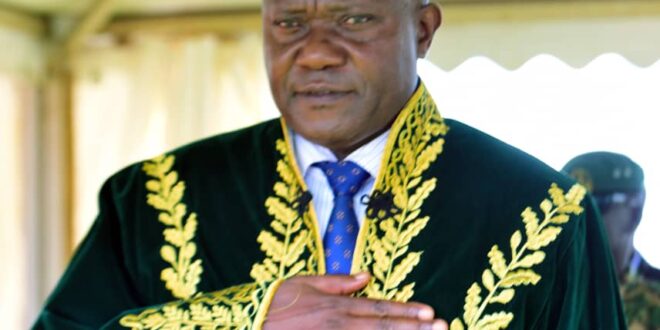
A storm is brewing over the cultural house of the Bamasaaba. It is not a storm of nature but one shaped by human ambition. At the center of it stands Jude Mike Mudoma, whose recent maneuvers have stirred deep unease about the future of the institution known as Inzu Ya Masaba.
The Genesis of Inzu Ya Masaba
When Inzu Ya Masaba was founded in 2000, it was conceived as the cultural home of the Bamasaaba people living along the slopes of Mount Elgon in both Uganda and Kenya.
Its constitution established a rotational leadership system among clans — a principle designed to guarantee unity, fairness, and respect for ancestral traditions. This safeguard ensured that no single clan or individual could dominate the institution indefinitely. It became the heartbeat of Bamasaaba identity and a symbol of shared cultural stewardship.
The Rise — and Turn — of Mudoma
Mudoma ascended to the throne as Umukuuka III after endorsement by clan leaders. At the beginning, his leadership carried hope and expectation.
But as his tenure neared its end, critics say ambition began to overshadow tradition. They accuse him of manipulating the constitution to abolish the sacred rotational system and instead entrench himself in power.
By altering the name of the institution while maintaining the same financial streams, they argue, Mudoma has effectively attempted to remain at the helm indefinitely — a move some elders describe as declaring the old institution defunct while quietly retaining its resources.
Courts, Government and the People
In 2025, the government issued a Gazette notice proposing the renaming of Inzu Ya Masaba to Umukuuka Wa Bugisu. However, several elders rejected the move as unilateral and illegal, vowing to challenge both Mudoma’s actions and what they see as state interference in cultural affairs.
For many elders, legitimacy does not come from gazettes or paperwork, but from the people themselves. And they believe the people understand that abandoning the covenant of clan rotation undermines the very unity that once bound the Bamasaaba together.
A Satirical Mirror
What has been presented as reform, critics say, resembles a coronation conducted in the shadows.
The constitution was never meant to be a ladder for one man’s climb; it was a shield to protect all clans. To abolish it, they argue, is to transform that shield into a crown — worn by one and denied to many.
In the eyes of these critics, this is less reform and more a cultural coup wrapped in traditional robes.
A Call to the Bamasaaba
Bamasaaba must now reflect deeply on the future of their cultural institution. The moment calls for courage, vigilance, and unity in defending heritage.
No leader, however powerful, can erase the wisdom of ancestors. Only by returning to the founding principles can Inzu Ya Masaba remain a true cultural home — one that belongs to all clans, all people, and all generations.
The message from concerned voices in the region is clear: Inzu Ya Masaba should never become the private throne of any individual or clan. It must remain the shared legacy of the Bamasaaba people.
The writer is a key opinion leader in the Elgon Zone