 pressug.com News 24 7


Related Articles
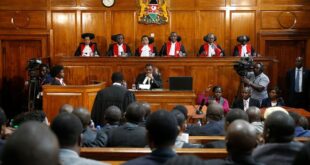

A storm is brewing at the Uganda National Bureau of Standards after a bombshell report exposed shocking gaps in oversight, weak enforcement, and a baffling multi-billion-shilling shortfall in the highly sensitive digital stamps system.
At the centre of the controversy is a jaw-dropping revenue gap involving Swiss-linked firm SICPA Global Fluids Integrity SA, contracted to run the Digital Conformity Marking (DCM) system. According to the audit, since the system went live, only UGX 3.573 billion—just 27%—has been remitted to UNBS out of an expected UGX 13.208 billion.
That leaves nearly three-quarters of the expected revenue unaccounted for, raising explosive questions about compliance, contract enforcement, and whether UNBS is either asleep at the wheel or deliberately looking the other way.
The Auditor General notes bluntly: “Since the go-live date, SICPA only remitted UGX 3.573Bn (27%) to UNBS, out of the expected revenue of UGX 13.208Bn from digital stamps.” The silence on the missing billions is deafening.
The Ugandan arm of the operation is overseen by Suzan Mweheire Kitariko, who heads the local subsidiary of the Swiss conglomerate. With such a glaring revenue gap, pressure is mounting on both SICPA and UNBS to explain why the money has not been fully remitted—and who is responsible for enforcing the contract.
Despite this massive red flag, the Bureau still walked away with an “Unqualified Opinion,” a technical clean bill that sharply contrasts with the troubling realities uncovered beneath the surface.
The audit reveals that UNBS itself is structurally weak and struggling to perform its core mandate. A structural review carried out in 2023 found that the Bureau’s current setup is inadequate to execute its functions effectively. Yet, in a move that has left insiders stunned, the new structure has never been implemented.
This means the institution tasked with safeguarding standards in Uganda’s booming manufacturing and agro-industrial sectors is operating with a system it already knows is broken.
The consequences are already spilling into the market.
In one of the most alarming findings, the Auditor General discovered that commodities have been released onto the Ugandan market without proper testing simply because UNBS had no standards to test them against. The report points to “delays and laxity in developing and publishing new standards,” effectively allowing potentially substandard or unsafe goods to slip through regulatory cracks.
This revelation strikes at the heart of consumer protection, raising fears about the quality and safety of products on shelves across the country.
The failures don’t stop there.
UNBS was also found to have neglected its contractual obligations by failing to audit Pre-Export Verification of Conformity (PVoC) service providers. These audits—both technical and financial—are mandatory under the contracts, yet none were conducted.
The Auditor General states clearly: “UNBS did not conduct any technical or financial audits of the PVoC service providers as required by the contracts.” In a system designed to ensure imported goods meet standards before entering Uganda, this lapse opens the floodgates for non-compliant products.
Even more worrying is the legal vacuum surrounding emerging sectors. The current UNBS Act is silent on critical areas where measurement accuracy is essential, including smart electricity meters, airtime and data bundles, digital gas meters, radiation equipment, speed guns, online platforms, and even upstream oil and gas technologies.
This means entire sectors are operating without clear regulatory oversight, leaving consumers exposed and enforcement agencies powerless.
Meanwhile, the Digital Tax Stamps (DTS) ecosystem—linked to the same SICPA system—has been actively promoted with training sessions across the country. Working alongside the Uganda Revenue Authority, SICPA has trained inspectors and distributed enforcement gadgets to curb fraud such as reuse and counterfeiting of stamps.
But even as these enforcement efforts are rolled out, the core issue remains unresolved: where is the money?
The contrast is striking. On one hand, authorities are cracking down on traders over compliance. On the other, billions expected from the system itself appear to be missing or unremitted, with no clear accountability.
The Auditor General’s findings stop short of directly accusing wrongdoing but lay bare a system riddled with weak oversight, delayed reforms, and enforcement gaps that insiders say create fertile ground for financial leakages.
Adding to the intrigue, it remains unclear whether the outstanding funds have since been paid, with reports indicating that this could not be independently verified at the time of publication.
The report paints a picture of an institution overwhelmed by its mandate, lagging behind in reforms, and failing to assert control over key revenue-generating systems. It raises uncomfortable questions about whether UNBS has the capacity—or the will—to enforce compliance on powerful contractors.
For a body entrusted with protecting standards, ensuring product safety, and supporting Uganda’s industrial growth, the stakes could not be higher.
As pressure mounts, the spotlight is now firmly on UNBS leadership and the SICPA deal. Ugandans are demanding answers to one simple but explosive question: how does a system designed to boost compliance and revenue end up with billions unaccounted for—and no one taking responsibility?
GOT A HOT STORY? EMAIL: redpeppertips@gmail.
SOURCE PROTECTION/CONFIDENTIALITY IS OUR NO.1 PRIORITY.