 pressug.com News 24 7

Related Articles



Viewers: 80,008
By Spy Uganda
As Uganda conducted what experts describe as its most technologically advanced election in history, a new report has raised serious concerns that the rapid digitization of the 2026 general elections may have outpaced the country’s ability to protect citizens’ personal data and democratic rights.
The report, released by Unwanted Witness, warns that millions of voters were potentially exposed to privacy violations, surveillance, political profiling and data exploitation as biometric systems, artificial intelligence and digital campaign tools were deployed on an unprecedented scale.
Titled Uneven Enforcement of Data Protection Laws Puts Data Subjects’ Rights at Risk in Uganda’s 2026 Polls, the study argues that while technology promised greater efficiency and transparency, weak enforcement of existing laws left significant gaps in accountability.
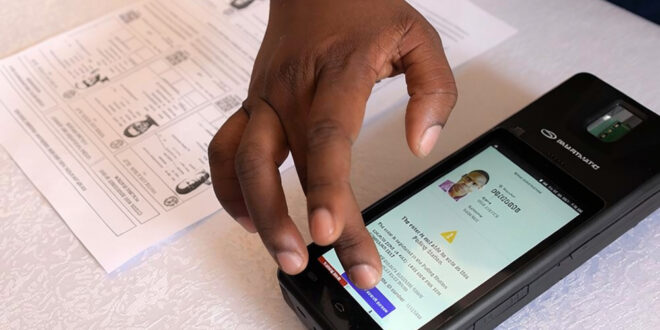
The 2026 elections saw the Electoral Commission of Uganda deploy 109,142 Biometric Voter Verification Kits nationwide and integrate the National Identification Number system into voter registration and verification. The technology was intended to reduce fraud, eliminate duplicate registrations and strengthen confidence in the electoral process by matching fingerprints with records held by the National Identification and Registration Authority.
However, researchers say the increasing fusion of civil identity systems and electoral technology created what they describe as “function creep,” where information collected for one purpose may later be used in ways that threaten privacy and civil liberties.
“Privacy in elections is not merely an individual right,” the report states. “It is a precondition for trust, fairness and legitimacy in a digitally mediated democracy.”
The study notes that Uganda already has a legal framework through the Data Protection and Privacy Act of 2019 and its accompanying 2021 regulations, which require organizations handling personal and biometric information to ensure lawful collection, transparency, security safeguards and accountability. According to the report, the core problem was not the absence of laws but inconsistent enforcement.
Researchers observed that the Electoral Commission reportedly registered with the Personal Data Protection Office only after the January 21, 2026 elections, despite overseeing one of the country’s largest repositories of sensitive personal information. The report also claims that no political party registered with the same office during the entire electoral cycle, even as parties increasingly relied on mass SMS campaigns, voter analytics, robocalls and targeted social media advertising.
One of the report’s most significant examples is the controversial FANON voter application, which researchers say exposed how voter information could potentially be scraped, aggregated and repurposed at scale because of weak authentication mechanisms and inadequate oversight. Cybersecurity analysts warn that once voter data is improperly accessed, the consequences may include identity theft, financial fraud, political intimidation and long-term surveillance.
The report further highlights operational problems on polling day, including malfunctioning biometric kits, delayed activation, poor internet connectivity and power disruptions that forced some polling stations to revert to manual verification procedures. While such fallback measures are necessary, researchers argue that inconsistent technological performance undermines public trust, especially where independent audits are absent.
Unwanted Witness also raises concerns about the growing role of artificial intelligence in Uganda’s political communication environment. The report documents instances of manipulated audio, edited videos and deepfake-style content circulated during campaigns, warning that Uganda currently lacks comprehensive legal and technical mechanisms to detect and regulate sophisticated AI-driven disinformation.
The findings are likely to intensify pressure on Parliament, particularly committees responsible for ICT, legal affairs and human rights, to strengthen oversight of election technology and ensure stricter implementation of data protection laws. The report recommends independent cybersecurity audits, publication of a comprehensive Electoral Data Governance Framework, automatic deletion of biometric logs after elections, and greater transparency from political parties regarding how voter data is collected and used.
Political parties are also urged to appoint Data Protection Officers and formally register with the Personal Data Protection Office to ensure compliance with Uganda’s privacy laws.
Although the report acknowledges positive steps such as stakeholder training on ethical data practices and advisory notices issued before polling day, researchers conclude that these interventions failed to produce measurable and systemic compliance.
Ultimately, Unwanted Witness argues that Uganda’s digital election challenge is not a failure of lawmaking but a failure of implementation. As technology becomes increasingly central to governance and elections, the report warns that safeguarding personal data is no longer a technical concern alone—it is fundamental to protecting democratic legitimacy and constitutional rights.
For millions of Ugandans whose fingerprints, identity numbers, phone contacts and voting records now sit within expanding digital ecosystems, the report leaves one urgent question: who guards the guardians of Uganda’s electoral data?
, https://www.spyuganda.com/election-tech-or-surveillance-tool-report-warns-ugandas-2026-elections-exposed-millions-of-voters-data-privacy/