 pressug.com News 24 7

Related Articles

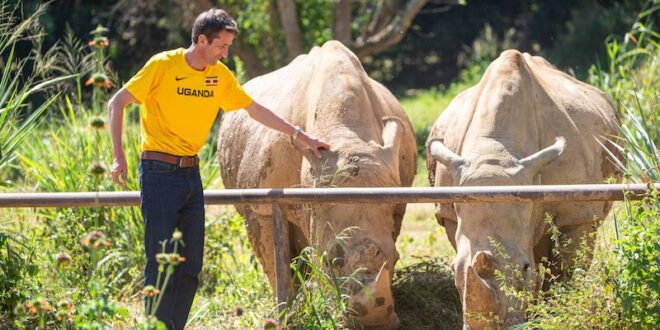
The Uganda Wildlife Conservation and Education and Centre expects to hit between 650,000 and 700,000 visitors next financial year, courtesy of government focus on tourism as a growth area, as well the World Bank funding programme.
And the centre, commonly known as the Entebbe Zoo, could be on the way to becoming the best ranked in Africa, with the ongoing installation of modern facilities, expansion of holding centres and restoration of endangered species.
These visitor numbers have been growing since implementation of the World Bank began, save for last year when there was a slight decline mainly attributed the increase in the entry fees, but projections for this year show 620,000 people visiting the zoo.
This is after the government’s renewed focus on tourism as one of the focus areas in the Tenfold Growth Strategy, and the World Bank’s Competitiveness and Enterprise Development Project (CEDP), which have seen improvements in services and quality of facilities over the last five years.
The Pan-Africa Association of Zoos and Aquaria (PAAZA) ranks the Entebbe Zoo as the best in East, Central and West Africa.
Part of the expanded administration block
The Zoo, in which the project has injected $5m stands on 72 acres on the Entebbe Peninsula, and is a part of many Ugandans’ childhood memories. Assistant Commissioner Ex Situ (in charge of animals outside their natural habitat) for Wildlife Services at the Ministry, Rachael Mbabazi, says that with all the current additions, it will not be a surprise if the facility is ranked top on the continent.
The zoo is part of Uganda Wildlife Authority as a result of the rationalization process that ended in 2024. Juliet Bitwire, the Senior Accountant at the centre says while they are sure of the continued growth in visitor numbers and the revenues, they are aware of the constant threat of disease outbreaks that may affect the numbers.
She, however, says that they expect revenues to grow above Shs 6 billion this year, as visitor numbers also continue picking up following a one- year decline when the entry fees were increased.
The management attributes this higher revenue and visitor increases to the recent interventions by the World Bank to promote the tourism sector, from which the Zoo got about Shs 4.6 billion.
The Uganda Competitiveness and Enterprise Development Project (CEDP) was a package through the World Bank’s International Development Association (IDA) worth $100 million, including a grant and a loan, with the Uganda Government contributing $ 2.5 million.
The project focused on boosting Uganda’s enterprise and tourism competitiveness by improving the business environment, streamlining land administration, and providing matching grants for small and medium- sized enterprises.
The Additional Financing (CEDP-AF) package for the project of 99.8 million dollars was approved by the World Bank in early 2020, almost doubling the amount, to cater for disruptions caused by some incidents lit the Covid-19 outbreak and foreign exchange losses.
It closed on November 30, 2024. Other beneficiaries included the rehabilitation, upgrade and furnishing of the Jinja-based Uganda Hotel and Tourism Training Institute, the renovation of the Crested Crane Hotel which has since been developed into a Three-Star Hotel, as well as the Uganda Wildlife and Research Training Institute (UWRTI) in Kasese.
At the Entebbe Zoo, according to management, many facilities have been either established, upgraded or expanded, including paving the major roads through the zoo, expansion and refurbishing of the administration block, the animal hospital, the animal holding facilities, among others.
Pupils at Entebbe zoo
The animal hospital, which World Bank and Ugandan tourism sector leaders call one of its kind in the region, is fully equipped with anesthesia equipment, surgical tables, surgical lights, stateof-the-art X-ray machine, animal vital monitor, CBC (complete blood count) machine, chemistry analyzers, freezers, and nitrogen tanks.
Apart from testing samples for disease diagnosis, Dr Victor Musiime, the Senior Veterinary Officer at the centre, says that the lab at the hospital, for example, is being used for forensics to determine the origins of the rescued animals, the sexes of the animals and birds whose genders are hard to identify, as well as for animal breeding.
In the near future, he says, the lab will be used for DNA extraction, preservation and animal reengineering for extinct and gravely endangered species, with reparation including human resource training which is now ongoing.
The World Bank project also donated a 16-seater tourist viewing truck, and a tractor which is now used for transportation of food for the various animals, among other uses. Other interventions went to expansion of animal holding centres, including expanding and strengthening the shelter for elephants, the aviary (for rescued under-rehabilitation birds), giraffes, and the African hunting dog, as well as expanding the chimpanzee island.
Ronald Wako, Head Animal Keeper, says the help was timely as the Ngamba Chimpanzee Sanctuary had reached its holding capacity. Chimpanzees and the parrots dominate the numbers of rescued animals, most of which are got from captivity in homes, or impounded in operations against animal trafficking.
Wako says that the current chimpanzee island at the zoo can only hold 13 primates at a time, but the expansion will now accommodate more and ensure that the animals have enough space to avoid conflicts.
He hopes that the government will find additional solutions to ensuring that these facilities are not over crowded to the extent of endangering the animals or even leading to escapes to cause conflicts with humans.
Related
, https://observer.ug/business/entebbe-zoo-the-best-in-east-central-and-west-africa/