 pressug.com News 24 7

Related Articles



Uganda is sitting on a silent epidemic, and the numbers are chilling. Fourteen million Ugandans — roughly 32 percent of the population — are estimated to be battling some form of mental disorder. Yet only about 10 percent are receiving treatment. As cases surge, the Auditor General’s December 2025 Value for Money audit on the Provision of Mental Health Services by the Ministry of Health has blown the lid off what insiders are calling a system in disarray.
The audit, conducted under Article 163(3)(b) of the 1995 Constitution and Section 21 of the National Audit Act, paints a troubling picture. Between 2021 and 2023 alone, reported Mental, Neurological and Substance use cases increased by 27 percent. Instead of tightening the screws and reinforcing the system, the audit suggests the country’s mental health framework remains underdeveloped, underfunded and dangerously fragmented.
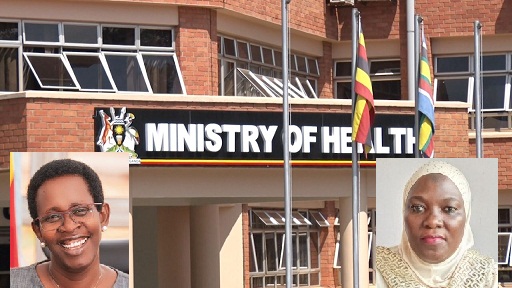
At the centre of the storm is the Ministry of Health, led technically and administratively by Permanent Secretary Dr. Diana Atwine Kanzira, whose office is mandated to provide overall leadership and stewardship of the nation’s health resources. The big question now echoing through corridors of power is whether that stewardship is translating into meaningful action for one of the country’s most vulnerable populations. Time to crack the whip?
The Mental Health Act was enacted in 2019, promising structure, accountability and protection for patients. Six years later, the audit found that regulations for community mental health integration and emergency and voluntary treatment had not been developed to fully operationalize the law. The Mental Health Advisory Board and District Mental Health Focal Persons were not fully constituted during most of the audit period. Regional hospitals are running mental health units without standardized infrastructure, safety protocols or clear management frameworks.
“How do you pass a law and then fail to switch it on?” one senior health sector observer wondered. “That is not just delay. That is dysfunction.”
Funding figures are equally startling. Of the UGX 58.5 billion mental health budget over three years, only 2 percent — UGX 1.1 billion — was allocated to the Mental Health Division at the Ministry of Health, the very unit responsible for implementing Mental, Neurological and Substance use activities. Uganda currently has only 53 psychiatrists nationwide, roughly one per million people, far below the World Health Organization recommendation of one per 10,000.
In plain language, the country is trying to fight a mental health tsunami with a teaspoon and the bosses at Ministry of Health are not doing enough to arrest the situation.
Facilities across the country reportedly lack trained personnel, medicines and equipment. Specialized clinics for children and pregnant mothers are scarce. Rehabilitation programs are thin on the ground. Supervision from the Mental Health Division and Regional Referral Hospitals has been irregular, with incomplete monitoring reports.
Even more alarming is the existence of 216 unaccredited private rehabilitation centres operating without oversight, posing safety risks to patients.
“Two hundred and sixteen unaccredited centres? That is not a small oversight. That is a regulatory vacuum,” an official familiar with the findings told RedPepper.
Community outreach has also faltered. Only 19 out of 65 sampled health facilities — just 29 percent — conducted mental health outreach activities. The Ministry did not implement targeted awareness programs for faith leaders, traditional healers or local governance structures. As a result, stigma remains high and more than 60 percent of individuals reportedly seek help first from traditional healers. Schools and health facilities lack Information, Education and Communication materials.
The audit further found weak multi-sectoral coordination. Plans to establish an inter-ministerial and technical working committee on mental health had been initiated, but there was no evidence that the committee was fully functional. No approved Terms of Reference. No evidence of structured meetings. Collaboration with key ministries such as Education, Gender and Local Government remained fragmented.
Dr. Hafiswa Lukwata, the Assistant Commissioner for Health Services in charge of Mental Health and Control of Substance Use, affectionately known in some circles as “Mama Mental Health,” heads the division at the technical level. But with these findings on the table, some are asking uncomfortable questions. Is the division empowered enough? Is it being sidelined financially? Or has leadership at that level failed to push aggressively for operational reforms?
“This is not about titles,” a mental health advocate said bluntly. “It is about outcomes. If the Act is not operational, if funding is trickling in at 2 percent, if districts have no staff and no supervision, then somebody must explain.”
The Auditor General acknowledged that the Ministry has made progress in developing laws, policies and awareness programs. But progress on paper does not treat patients. Without regulations, funding prioritization, trained personnel and strong coordination, Uganda risks falling short of its national health objectives and international commitments.
So who is to blame? Is it a budgeting failure at higher policy levels? Is it administrative inertia? Is it technical underperformance within the Mental Health Division? Or is it systemic neglect of a sector long treated as secondary?
Calls are already growing for decisive action. Some observers argue it may be time to “crack the whip” within the Ministry of Health to ensure the Mental Health Act is fully operationalized, the Advisory Board constituted, funding increased and staffing structures filled. Others caution that structural reform, not scapegoating, is the answer.
But as 14 million Ugandans struggle — many silently — the stakes are too high for bureaucratic delays.
One senior health commentator summed it up starkly: “Mental health cannot remain Uganda’s forgotten crisis. The audit has spoken. The question now is whether those in charge will listen — or whether we wait for another report while patients continue to suffer.”
The spotlight is now firmly on the Ministry’s top leadership. The country will be watching to see whether this audit becomes a turning point — or just another document gathering dust.
GOT A HOT STORY? EMAIL: redpeppertips@gmail.com WITH AS MUCH EVIDENCE AS POSSIBLE.
SOURCE PROTECTION/CONFIDENTIALITY IS OUR NO.1 PRIORITY.