 pressug.com News 24 7

Related Articles

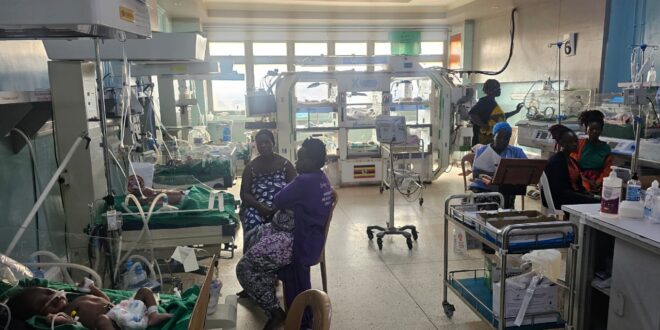
Every week, Isabelle Furaha leads a dedicated team of volunteers across hospital wards and communities in Uganda, following up on some of the country’s most vulnerable lives—premature babies who have survived birth but remain at high risk.
Under her leadership, the team equips mothers with essential newborn care skills, including how to keep babies warm, ensure proper feeding, and identify early signs of infection. In many cases, these interventions make the critical difference between survival and loss.
Furaha is the founder of Mama Tulia Ministries, an organisation focused on supporting mothers and newborns during the fragile transition from hospital to home.
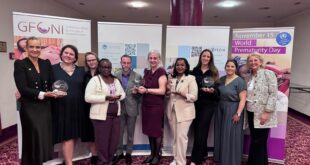
Her work has recently gained international recognition. This week, she received the Innovation and Collaboration Award at the Global Foundation for Care of Newborns (GFCNI) Summit in Germany.
Despite the recognition, Furaha remains grounded in teamwork.
“Our work has always been about collaboration,” she said. “From our staff to volunteers and partners, this recognition belongs to everyone involved in supporting these families.”
In Uganda, many premature babies survive neonatal intensive care but face serious risks after discharge. Infection, unsafe home environments, and limited caregiver knowledge continue to threaten their survival—gaps that Furaha set out to address through a continuum-of-care model.
Through Mama Tulia Ministries, mothers receive support before discharge, are followed up at home, and access specialised interventions such as screening and treatment for Retinopathy of Prematurity (ROP), a condition that can lead to blindness if not detected early.
The impact of this model has been significant. Over the years, the initiative has reached more than 10,700 mothers and babies, conducted over 7,600 home visits, and strengthened care through more than 500 hospital engagements.
Its success is particularly evident in ROP care. More than 2,000 babies have been screened, with 262 diagnosed and 243 successfully treated—preventing avoidable blindness in many cases.
Earlier this year, Furaha expanded the initiative with the launch of the Tulia Tender Nest Transition Home, a facility designed to stabilise high-risk mothers and babies before they return to their communities. Since February, it has supported over 20 mothers and 24 babies.
Beyond medical care, the organisation addresses the broader social challenges affecting newborn survival. It has distributed more than 200 water filters to vulnerable households and provides psychosocial support, including targeted programs for teenage mothers and initiatives that encourage fathers to take an active role in newborn care.
Health experts note that such integrated, community-based approaches are vital in improving outcomes for preterm babies, particularly in low-resource settings where post-hospital care remains limited.
Keywords
Isabelle Furaha, Mama Tulia Ministries, preterm babies, newborn care, Uganda health, neonatal care, ROP screening, premature infants, maternal health, community health, newborn survival, global health award, GFCNI summit, transition home care, infant mortality, healthcare innovation