 pressug.com News 24 7

Related Articles


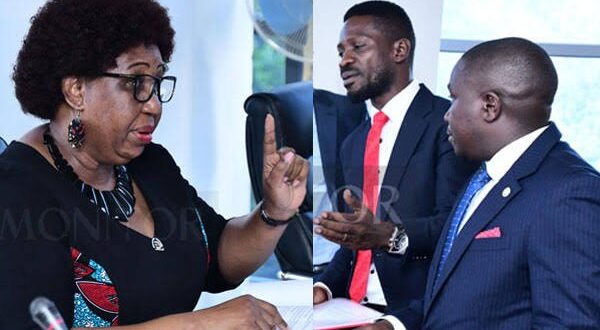
The recent resignation of Mariam Wangadya as Chairperson of the Uganda Human Rights Commission has once again brought into sharp focus the transactional nature of power under President Yoweri Museveni’s long tenure. Her departure, reportedly precipitated by a reminder of her political standing, echoes a familiar pattern in Ugandan politics: the rise and fall of those who trade their integrity for proximity to power.
As observed in public discourse, individuals like Wangadya, Kale Kayihura, and others have discovered that loyalty to the regime is often a one-way street. The regime demands absolute fealty, yet offers no permanent protection in return. This cycle raises critical questions about the broader state of human rights and governance in Uganda.
The Pattern of Disposability
The trajectory of figures who have served the regime is notably consistent. They are appointed to positions of public authority, empowered to execute political agendas, and celebrated—not for serving the public, but for serving the regime’s survival. This often comes at the cost of justice and the rights of fellow Ugandans.
History shows this pattern repeatedly: from former Inspector General of Police Kale Kayihura to military figures like Peter Elwelu and political figures like Anita Among, the service is rendered, the loyalty is given, but when they cease to be politically useful, they are discarded. The regime abandons them without hesitation, leaving them isolated to face public anger and legal consequences, while those who gave the orders recruit the next willing enforcer [citation:1].
The tragedy of Wangadya’s situation lies not in an individual’s downfall, but in the systemic reality that this cycle keeps repeating itself. Each new generation of enablers convinces itself that it will be treated differently, yet the fate remains the same: yesterday’s trusted enforcer becomes today’s forgotten casualty [citation:1].
The Human Rights Cost
Beyond the political maneuvering, the core tragedy of this system is the damage inflicted on ordinary Ugandans. The regime’s reliance on individuals to silence, persecute, and oppress citizens has left a trail of human rights violations. For years, there have been documented cases of:
Suppression of Dissent: The use of state instruments to stifle opposition, restrict freedom of speech, and intimidate civil society.
Erosion of Justice: The manipulation of the judiciary and law enforcement to protect regime interests while denying citizens their right to a fair hearing.
Abuse of State Resources: The employment of security forces and public officials to suppress peaceful protests, often resulting in unlawful detention and, tragically, loss of life [citation:1].
The Lesson for Public Servants
The departure of Mariam Wangadya serves as a stark reminder that offices are temporary, but reputations are permanent. Power expires, titles disappear, and official protection ends. What remains is a person’s name, conscience, and the legacy of the choices made while in authority [citation:1].
The public is left to ponder: When the office and the power are gone, what remains? The Museveni regime does not protect its enablers forever. It simply replaces them [citation:1]. The hope is that current and future public servants will remember that serving the regime at the expense of justice and the people is a deal with dire consequences, both for them and for the nation.
Post navigation
, https://hoimapost.co.ug/mariam-wangadya-bobi-wine-descibers-musevenis-regime-and-the-fate-of-its-enablers/