 pressug.com News 24 7

Related Articles


Mukono– Leaders in Mukono District have intensified efforts to combat sexual and gender-based violence (SGBV) affecting children, with district officials calling for stronger community involvement to break the silence surrounding abuse and early pregnancies among school-going girls.
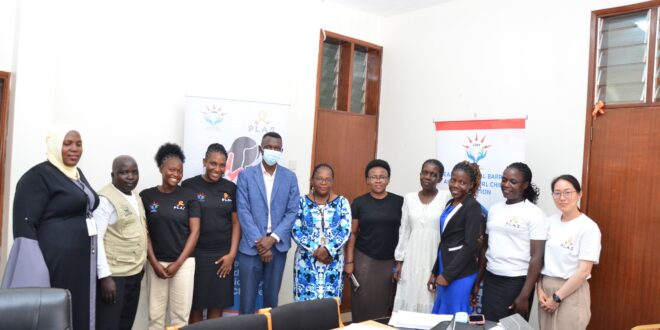
The renewed campaign was highlighted during a stakeholders’ meeting that brought together district leaders, development partners, and education officials to discuss findings from a recent survey conducted in Katosi and neighboring communities. The meeting was attended by the Vice Chairperson LC V of Mukono District, Jerom Kabali Kimera, the District Community Development Officer Minisa Kirya Namukose, representatives of the Girls Initiative for Better Education and Health (GIBEH), and other education stakeholders.
The survey revealed worrying trends of teenage pregnancies among girls aged between 12 and 17, prompting leaders to prioritize sensitization programs in schools and communities.
Speaking during the engagement, Susan Nabatte, the Chief Executive Officer of GIBEH and project team leader, explained that field visits conducted at several health facilities, including Kojja Health Centre, showed that many young girls were already attending antenatal care services while others were reluctant to use contraceptives.
According to Nabatte, the findings revealed a major gap in sexual and reproductive health knowledge among adolescents, which continues to expose many children to exploitation and early pregnancies.
The assessment also revealed that several health facilities lack child-friendly health workers capable of guiding young people on sensitive issues related to sexuality, protection, and reproductive health. As a result, many children remain silent about abuse or make decisions without proper guidance.
The project team further discovered troubling economic pressures in fishing and trading communities around Katosi, where poverty is exposing girls to exploitation.
Some girls reportedly exchange sex for small buckets of Mukene (silver fish), while others selling bananas allow themselves to be exploited by men to meet their daily sales targets. These realities have increased cases of early pregnancy and abuse among young girls in the area.
To address these challenges, partners under the Keep Her In School (KHIS) programme have introduced a peer-to-peer education strategy aimed at empowering children with knowledge about sexual health, personal safety, and reporting abuse.
The program will run for three years and will target communities including Katosi, Mpunge, Lulwage, Nama, Ntenjeru, and Mpatta, with support from GIBEH and Promoting Local Accountability and Sustainable Services (PLAS).
Under the strategy, selected peer educators will sensitise fellow pupils about sexual health, protection, and reporting abuse. Organizers believe children are often more comfortable receiving such information from their fellow peers.
The programme will involve both girls and boys, recognizing that boys can be both perpetrators and victims of sexual violence. Education officials recommended that peer educators should primarily come from primary schools rather than secondary schools to avoid negative influence on younger learners.
While representing the District Chairperson LC V, the Vice Chairperson Jerom Kabali Kimera applauded development partners for bringing the initiative to Mukono and strongly endorsed the inclusive approach that addresses both male and female involvement in SGBV prevention.
He emphasized that the fight against violence must reach deeper into village communities, where many children face serious challenges after completing Primary Seven.
“In many rural areas, children are quickly treated as adults after completing primary school, which exposes them to exploitation and early marriages,” he noted.
Kabali urged implementers to expand the program beyond schools and involve parents, community leaders, and local institutions to ensure wider protection for children.
The District Community Development Officer Minisa Kirya Namukose also welcomed the partnership and thanked development partners for supporting Mukono District in protecting children.
She stressed the importance of involving grassroots leaders, including school inspectors, community development officers, councillors, and LC chairpersons, who are often the first responders when cases of abuse arise.
Namukose further highlighted the need to address the role of certain community actors such as boda boda riders and other individuals who sometimes exploit school-going girls. She encouraged the programme to include community dialogue and awareness campaigns to address these realities.
With strong support from district leadership and development partners, the Keep Her In School (KHIS) programme is expected to play a vital role in empowering children with knowledge, confidence, and protection against sexual and gender-based violence.
Through community sensitization, peer education, and stronger collaboration between schools, parents, and local leaders, stakeholders believe the initiative will help break the silence surrounding abuse, improve sexual health awareness, and reduce cases of teenage pregnancy and exploitation among children in Mukono District.