 pressug.com News 24 7

Related Articles
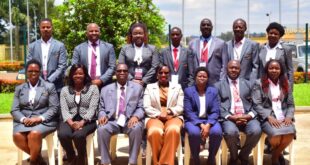

Leaders in Mukono District have called for stricter enforcement and more inclusive approaches in the fight against corruption, as concerns mount over unexplained wealth among public servants.
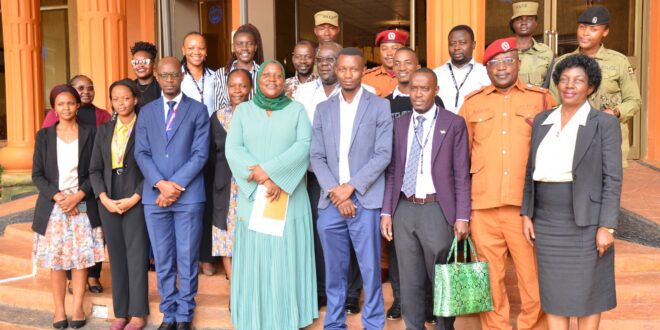
The calls were made during a consultative meeting on the Draft Asset Recovery Rules held at Ridar Hotel, organized by the Directorate of Ethics and Integrity under the Office of the President, in collaboration with the Attorney General’s Chambers.
The engagement brought together district leaders, technical staff, and key stakeholders to collect views aimed at shaping effective mechanisms for recovering assets acquired through corrupt practices. The proposed rules, anchored in the Anti-Corruption Act, provide for confiscation and recovery of property from individuals convicted of corruption-related offences.
Participants stressed the need for the rules to be practical, transparent, and applicable across all levels of government.
Mukono Resident District Commissioner, Hajjat Fatuma Ndisaba Nabitaka, raised concerns about the management and accountability of confiscated assets. She questioned whether existing systems effectively track, value, and recover such assets for public benefit.
She noted that in some cases, individuals convicted of corruption continue to benefit from income-generating properties, with proceeds not redirected to the state. The RDC also pointed to growing public concern over officials with modest salaries accumulating significant wealth, though she acknowledged the challenge of distinguishing legitimate business income from illicit gains.
Nabitaka emphasized the need for technical expertise, including valuers and auditors, to ensure proper management of recovered assets. She also called for broader consultations at district and sub-county levels to include LC3 and LC4 leaders, who are critical in implementation.
Mukono District Vice Chairperson, Hon. Jorem Kabali Kimera, described corruption as a major obstacle to service delivery, citing irregularities in procurement and recruitment processes. He urged equal enforcement of the law, warning that selective justice weakens anti-corruption efforts. He added that tougher penalties, including full asset confiscation, could serve as a deterrent.
Officials from the Directorate of Ethics and Integrity and the Attorney General’s Chambers, including Commissioner Legal Services Ruth Namirembe Olijo and State Attorney Lazaka Tibakuno, guided participants through the proposed framework. They outlined procedures for confiscation orders, appointment of asset managers, and recovery mechanisms under judicial oversight.
Representing the Chief Administrative Officer of Mukono District, Principal Assistant Secretary Daniel Kamara described the meeting as a vital platform for stakeholder input. He urged participants to actively contribute to shaping rules that reflect practical challenges and realities on the ground.
Participants also highlighted gaps in asset declaration, monitoring, and enforcement systems, calling for stricter guidelines to regulate private business involvement among public servants to prevent conflicts of interest.
The meeting concluded with a shared commitment to strengthening accountability and transparency. While the Draft Asset Recovery Rules are seen as a key step toward reclaiming public resources lost through corruption, leaders emphasized the importance of inclusive engagement, stronger enforcement, and robust monitoring systems to ensure effectiveness.