 pressug.com News 24 7

Related Articles
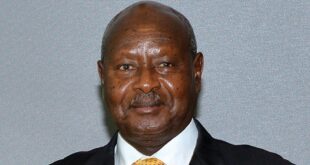
A new proposed law in Uganda, the Protection of Sovereignty Bill, 2026, is generating serious political debate after reports that it could criminalize opposition leaders, diaspora activism, and international lobbying.
The bill, reportedly backed by President Yoweri Museveni’s government, introduces strict regulations on foreign influence, foreign funding, and political activity linked to Ugandans living abroad. Critics say the law is specifically designed to target opposition leader Bobi Wine and his party, the National Unity Platform (NUP).
Why the Bill Is Controversial
According to the draft, the bill defines a “foreigner” in a broad way that reportedly includes Ugandan citizens living outside the country. This means Ugandans in the diaspora could legally be treated as foreign actors if they support political activities in Uganda.
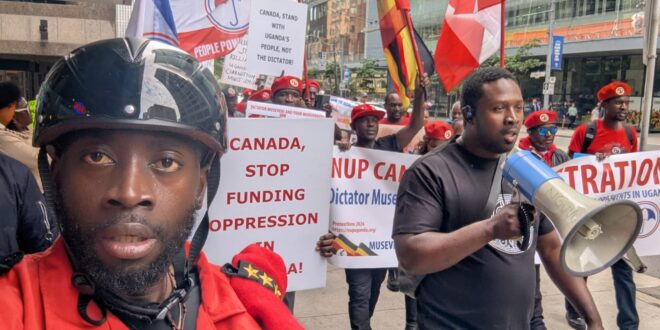
This has drawn attention because Bobi Wine is currently in the United States, where he has been meeting U.S. lawmakers, human rights organizations, and diaspora groups to raise awareness about Uganda’s political situation.
Under the proposed law:
- Anyone engaging in political activities “in the interests of a foreigner” could be charged.
- Promoting policies not approved by the Ugandan Cabinet could be considered a crime.
- Receiving foreign funding without government approval could lead to prosecution.
- Publishing information considered to “weaken the economy” could be classified as economic sabotage.
- Penalties include fines of up to 100,000 currency points (about UGX 2 billion) or up to 20 years in prison.
Human Rights Concerns in Uganda
Human rights organizations have for years raised concerns about arrests of opposition supporters, activists, and journalists in Uganda. Opposition leaders and supporters from the National Unity Platform have frequently reported arrests, detentions, and disruption of political rallies.
Supporters of Bobi Wine have often claimed security forces blocked rallies, arrested activists, and restricted political mobilization, especially during and after elections.
There have also been reports from activists alleging arrests of people considered political opponents of President Yoweri Museveni and his son, Muhoozi Kainerugaba, who is a senior military officer and political figure in Uganda.
Critics say such actions raise concerns about political freedom, freedom of speech, and democratic participation in the country.
Diaspora Fundraising Could Be Affected
The bill also targets funding. If an individual or organization receives large amounts of money from outside Uganda without written approval from the Minister of Internal Affairs, the money could be confiscated by the state and the person charged in court.
This could directly affect diaspora fundraising events and conventions organized by political groups and civil society organizations abroad.
Concerns About Government Control
Another major concern raised by critics is that the law would give significant powers to the Minister of Internal Affairs, including:
- Approving or rejecting foreign funding
- Registering and deregistering organizations
- Enforcing the law
Critics argue there is no independent oversight, raising fears that the law could be used selectively against government opponents.
Political Impact
Opposition supporters say the bill is intended to:
- Stop international pressure campaigns
- Cut off diaspora funding
- Criminalize opposition international activities
- Limit foreign support to civil society organizations
However, government supporters argue the law is necessary to protect Uganda from foreign political interference and to safeguard national sovereignty.
If passed by Parliament and signed into law, the Protection of Sovereignty Bill could significantly change how political parties, activists, journalists, NGOs, and Ugandans in the diaspora operate.
The key question now being debated is whether the bill is about national security — or whether it is a political law that could reshape Uganda’s political landscape in the coming years.