KAMPALA, Uganda — In an era where diplomacy increasingly extends beyond political negotiations into the protection of human security, Uganda has reaffirmed its longstanding partnership with the International Federation of Red Cross and Red Crescent Societies (IFRC), underscoring the strategic importance of humanitarian cooperation in an increasingly interconnected region.
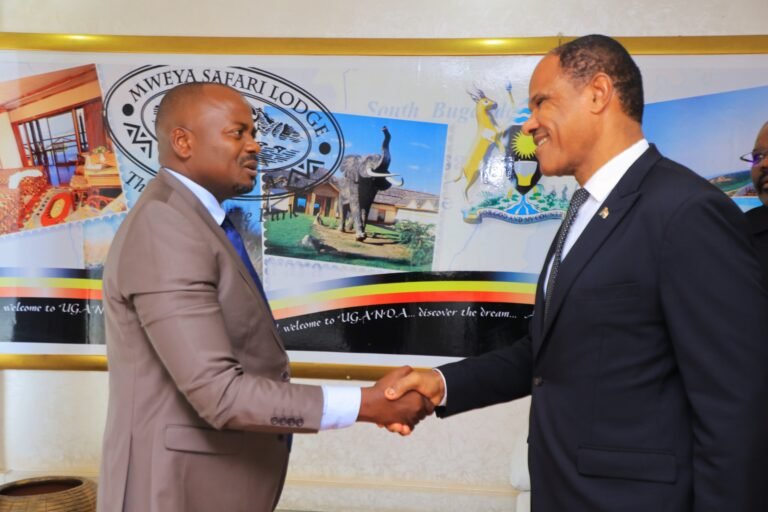
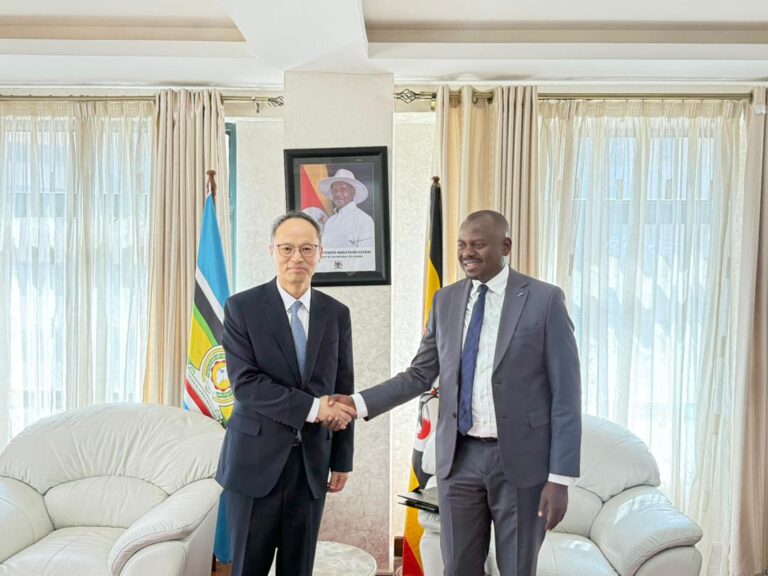
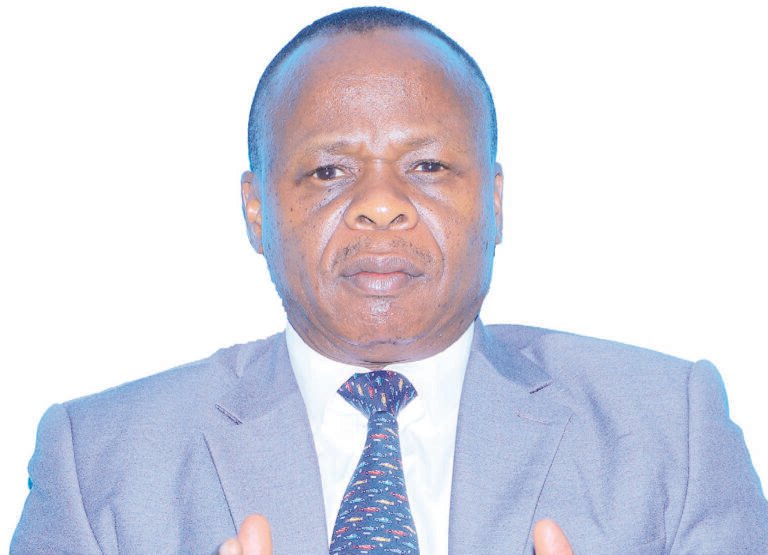
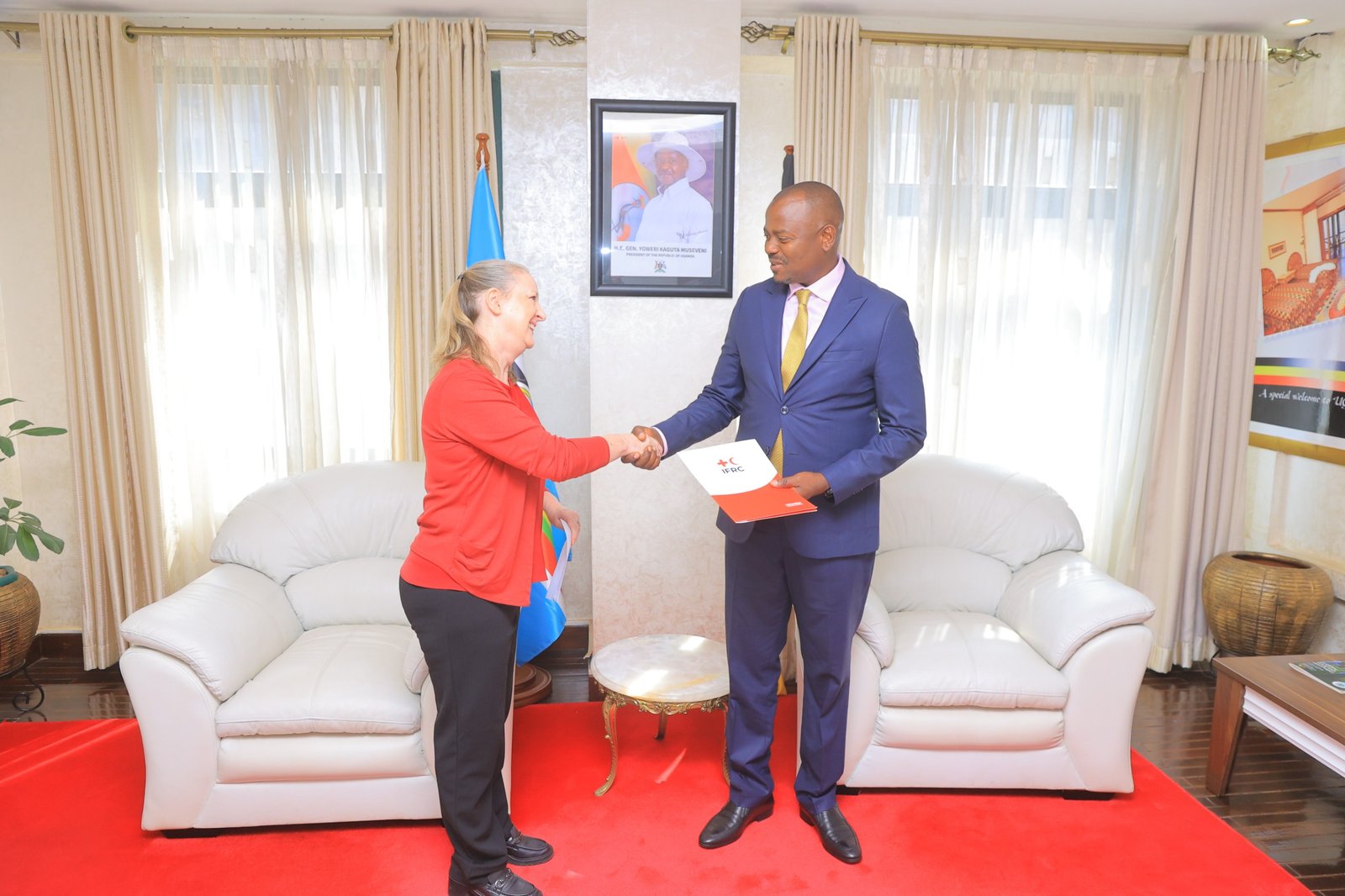
Acting Minister of Foreign Affairs and Minister of State for Foreign Affairs in charge of Regional Cooperation, Hon. Kyeyune Haruna Kasolo, on Friday received the Letters of Credence of Mrs. Paula Elizabeth Fitzgerald, the newly accredited Head of Delegation of the IFRC to the Republic of Uganda. While credential ceremonies traditionally mark the formal assumption of diplomatic responsibilities, the engagement also served as a platform to reaffirm a shared commitment to humanitarian action, public health preparedness, and community resilience.

“Credential ceremony highlights the growing role of humanitarian diplomacy in addressing regional displacement, public health, and community resilience”.
The meeting reflected Uganda’s broader public diplomacy agenda, where international partnerships are increasingly viewed not merely through the lens of foreign relations but as instruments for advancing sustainable development, regional stability, and human security.
During the discussions, Mrs. Fitzgerald reaffirmed the Federation’s commitment to mobilising the strength of the global Red Cross and Red Crescent Movement in support of the Uganda Red Cross Society. She highlighted the IFRC’s continued collaboration with the Government of Uganda in responding to humanitarian challenges, particularly the needs of refugees fleeing instability in neighbouring countries, while strengthening national preparedness against public health emergencies, including Ebola and other emerging disease threats.
Uganda remains one of Africa’s largest refugee-hosting countries, accommodating people displaced by conflicts across the Great Lakes and Horn of Africa regions. This reality has elevated humanitarian diplomacy into an essential pillar of the country’s foreign policy, requiring sustained cooperation between government institutions, international organisations, and humanitarian actors.
Receiving the credentials, Hon. Kasolo commended the IFRC for its consistent partnership and acknowledged the Federation’s contribution to strengthening Uganda’s humanitarian response architecture. He noted that collaboration between the Government and humanitarian organisations continues to play a critical role in protecting vulnerable populations while reinforcing national resilience against both natural and human-induced crises.
The discussions reflected a shared understanding that contemporary humanitarian challenges demand collective action. Climate-related disasters, cross-border displacement, infectious disease outbreaks, and socioeconomic vulnerabilities increasingly transcend national borders, making international cooperation an indispensable component of effective governance. Beyond emergency response, the engagement highlighted the growing significance of preventive diplomacy through investments in community resilience, disaster risk reduction, and public health preparedness. Such initiatives complement Uganda’s national development priorities while contributing to regional peace and stability.
From a public diplomacy perspective, the accreditation of the IFRC’s Head of Delegation demonstrates how diplomatic engagement has evolved beyond state-to-state relations to encompass partnerships with international humanitarian institutions whose work directly influences people’s lives. These relationships reinforce Uganda’s image as a constructive international partner committed to multilateral cooperation and shared responsibility in addressing global humanitarian challenges. For the IFRC, Uganda continues to represent an important operational partner within East Africa, where humanitarian needs are shaped by regional migration, climate variability, disease outbreaks, and socioeconomic pressures. Strengthening collaboration with national institutions remains essential to delivering timely assistance while building local capacity for future emergencies.
As global humanitarian demands continue to grow, partnerships such as that between Uganda and the IFRC illustrate how diplomacy can translate into tangible support for communities facing vulnerability. They also reinforce the principle that effective foreign policy is measured not only by political agreements but by its ability to improve human well-being. The credential ceremony therefore represented more than a diplomatic protocol. It reaffirmed a partnership anchored in solidarity, resilience, and a shared commitment to protecting human dignity principles that remain central to both humanitarian action and Uganda’s engagement with the international community.