 pressug.com News 24 7

Related Articles



By Kasirye Ronald | THE HOIMA POST
In 2019, the Uganda Revenue Authority (URA) completed its new headquarters in Nakawa, Kampala, at an estimated cost of UGX 140 billion. The strategic objective was to consolidate all URA operations under a single roof, thereby eliminating expenditures associated with scattered office rentals.
However, six years later, a discrepancy has emerged. The URA continues to incur substantial annual rental costs, now directed towards private landlords, including prominent businessman Sudhir Ruparelia.
Prior to the Nakawa facility, the URA’s reliance on multiple rented offices across Kampala represented a significant financial burden on taxpayers. The completion of the new headquarters was therefore met with anticipation, as the URA projected substantial annual savings through operational centralization.
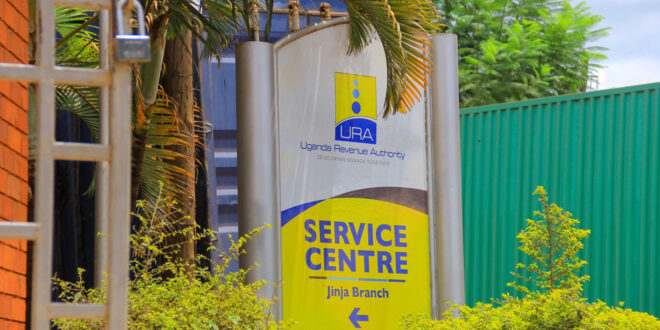
Presently, in 2025, at least four URA departments have been relocated from the Nakawa headquarters to rented premises within RR Pearl Towers, owned by Sudhir Ruparelia. This situation implies continued expenditure on office space despite the ownership of a dedicated facility. Estimates suggest that this rental arrangement incurs costs exceeding UGX 18 billion annually, surpassing the projected savings from the construction of the headquarters.
The URA attributes the need for rented offices to departments that engage directly with high-value clients. Nevertheless, this rationale has been met with skepticism by many Ugandan citizens, who perceive that the majority of URA’s functions could be accommodated within the Nakawa facility. Concerns have been raised regarding the continued allocation of significant funds to rental agreements while possessing a modern, state-of-the-art building.
Furthermore, the selection process for these rented offices has drawn scrutiny. There are suggestions that personal connections and influence may play a role in determining which private properties are leased by the government. The public finds it challenging to comprehend the ongoing expenditure for resources already owned.
Sudhir Ruparelia is a well-recognized figure in Uganda, with extensive property holdings in Kampala, including the RR Pearl Towers, where the URA now leases space. Public frustration stems from the perception that taxpayer funds are being utilized to enrich affluent business individuals, even when the government has already invested in a purpose-built facility.
This issue extends beyond financial implications; it impacts public trust. Ugandan citizens are observing these developments and questioning the responsible stewardship of public funds. Such actions by state agencies can erode public confidence, potentially diminishing willingness to comply with tax obligations or support government initiatives.
Public discourse reflects several key questions:
Why is the URA leasing office space despite owning a dedicated headquarters?
Are these decisions made impartially, or are they influenced by personal relationships?
Is the public receiving adequate value for money when rental costs exceed the projected savings from the URA’s own building project?
These are legitimate concerns that affect all citizens. When government agencies engage in financially questionable practices, it negatively impacts the populace and undermines faith in the system.
In conclusion, the Ugandan public merits clear and comprehensive answers regarding these matters.
The Uganda Revenue Authority’s continued rental of office space despite possessing a fully constructed headquarters represents a significant financial inconsistency. This situation raises concerns, particularly for a nation focused on enhancing tax collection, improving public services, and fostering public confidence.
We advocate for increased transparency and accountability. The public deserves assurance that financial resources are being utilized judiciously. The expenditure of substantial funds on rental agreements with private landlords, while simultaneously owning a pre-paid facility, undermines public trust. This scenario highlights the potential for mismanagement in large-scale, high-cost projects when adequate oversight is absent.
It is imperative that the Uganda Revenue Authority addresses the public’s inquiries. Our collective resources should serve the broader public interest, rather than benefiting a select few.