Tokyo, Japan — Uganda has taken a significant step towards strengthening its national and regional transport infrastructure following the signing of the construction contract for the new Karuma Bridge, a strategic project expected to transform connectivity between central and northern Uganda while reinforcing regional trade corridors across East Africa.
The agreement, signed on 10 July 2026 at the Keio Plaza Hotel in Shinjuku, Tokyo, marks another milestone in the longstanding development partnership between Uganda and Japan. Once completed, the new bridge will replace the aging Karuma crossing, ensuring safer, more efficient movement of people and goods along the vital Kampala–Gulu highway.
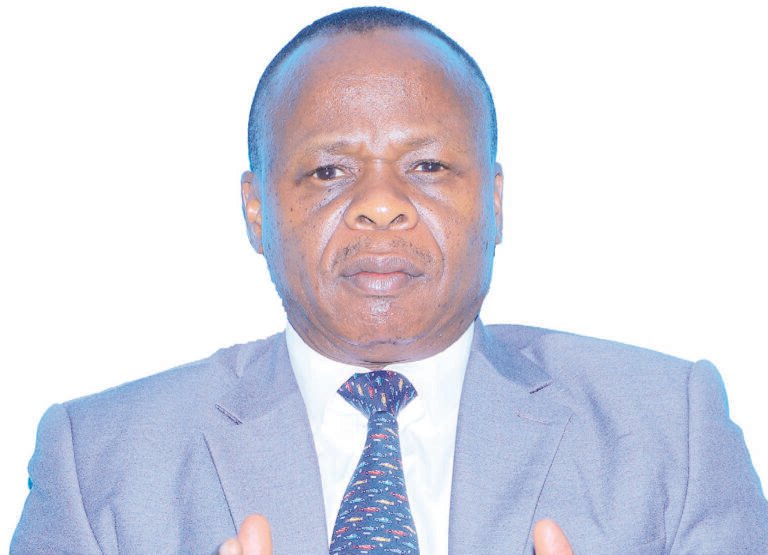
The contract was executed by Eng. Isaac Wani, Commissioner for National Roads at Uganda’s Ministry of Works and Transport, on behalf of the Government of Uganda, and Mr. Osamu Tanabe, representing Zenitaka Corporation, the Japanese engineering firm awarded the project following a competitive procurement process. The signing followed the Ministry’s issuance of the Notice of Award to Zenitaka Corporation after it emerged as the most responsive bidder for the civil works
.
Far beyond replacing an aging bridge, the Karuma Bridge project represents a strategic investment in Uganda’s economic transformation agenda. The Karuma crossing serves as one of Uganda’s most important transport arteries, linking Kampala with Northern Uganda while providing access to South Sudan and other regional markets. Any disruption along this corridor has direct implications for trade, tourism, logistics, humanitarian operations and regional integration.
Speaking during the signing ceremony, Eng. Wani described the project as critical to restoring safe, reliable and efficient transport along the Kampala–Gulu highway. He noted that the new bridge will enhance mobility, reduce transport bottlenecks, facilitate domestic and cross-border trade, improve access to essential public services and strengthen the resilience of Uganda’s national road network against future infrastructure challenges. The project also aligns with Uganda’s broader infrastructure development strategy, which views transport connectivity as a catalyst for industrialisation, investment attraction and regional competitiveness.
The project is being financed through Japan’s Official Development Assistance (ODA) Grant Aid Programme, implemented by the Japan International Cooperation Agency (JICA), highlighting the enduring development cooperation between Kampala and Tokyo. Uganda has increasingly benefited from Japanese support in infrastructure, healthcare, agriculture, education and capacity development, with transport infrastructure remaining one of the flagship areas of collaboration. Eng. Wani expressed appreciation to both JICA and the Government of Japan for their continued commitment to Uganda’s development priorities, affirming that the Government of Uganda will provide all necessary institutional support to ensure the successful implementation of the project within the agreed timelines.
The contract signing also underscored the important role of diplomacy in advancing national development objectives. The ceremony was witnessed by Mr. Pius Perry Biribonwoha, Solicitor General of the Republic of Uganda, and H.E. Tophace Kaahwa, Uganda’s Ambassador to Japan. Uganda’s Embassy in Tokyo played a central coordinating role, facilitating engagements between the Government of Uganda, Japanese authorities and project stakeholders throughout the procurement and contracting process.
Addressing participants, Ambassador Kaahwa described the bridge project as another tangible outcome of the strong diplomatic and development partnership between Uganda and Japan. She noted that infrastructure cooperation continues to deepen bilateral relations while creating opportunities for shared economic growth, technology transfer and sustainable development. According to the Ambassador, both countries remain committed to expanding collaboration in areas that directly contribute to Uganda’s long-term socio-economic transformation.
Zenitaka Corporation is no stranger to Uganda’s infrastructure landscape, the company previously delivered the iconic Jinja Nile Bridge, another major transport project financed by the Government of Japan that has become a critical component of Uganda’s national road network. During the ceremony, representatives of Zenitaka Corporation and Oriental Consultants Global, the project’s supervising consultants, reaffirmed their commitment to delivering the Karuma Bridge according to international engineering standards. The contractor pledged to complete the project within the agreed implementation schedule while maintaining high standards of quality, safety and environmental management. Their previous experience working in Uganda is expected to contribute to smoother project execution and stronger collaboration with local stakeholders.
The official groundbreaking ceremony is scheduled for September 2026, while full-scale civil construction is expected to commence in October 2026. Once completed, the new Karuma Bridge will significantly improve transport efficiency along one of Uganda’s busiest highways, reducing travel risks while supporting commerce, tourism and investment across Northern Uganda. The bridge is also expected to strengthen Uganda’s role as a regional logistics hub by improving connectivity to South Sudan and neighbouring countries, supporting the objectives of the East African Community and the African Continental Free Trade Area (AfCFTA).
The signing of the Karuma Bridge contract demonstrates how development partnerships and infrastructure diplomacy continue to shape Uganda’s growth trajectory. Beyond its engineering significance, the project reflects the value of sustained bilateral cooperation, strategic investment and effective diplomatic engagement in delivering public infrastructure that supports national development priorities. As Uganda continues investing in modern transport corridors, projects such as the new Karuma Bridge reinforce the country’s ambition to build resilient infrastructure capable of driving inclusive economic growth, facilitating regional integration and improving the livelihoods of millions who depend on efficient transport networks every day.