 pressug.com News 24 7

Related Articles
By Mwebesa Moses Nyakakoni Rukindo
As Uganda celebrated International Women’s Day with speeches, flowers and colorful ceremonies, millions of ordinary women across Uganda were still battling the same old struggles — dirty water, broken hospitals, dangerous roads and a system many feel has forgotten them.
Behind the celebrations lies a painful truth: for many Ugandan mothers, survival is still a daily fight.
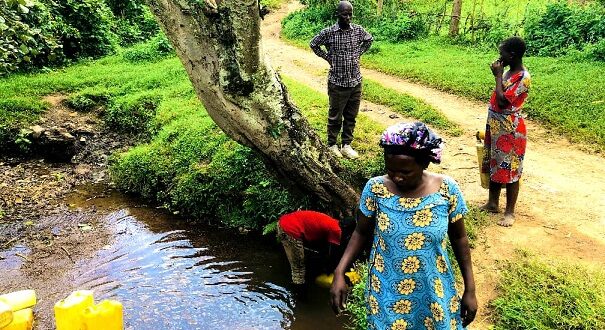
In villages and trading centres, women still wake up before sunrise to walk long distances in search of water, often scooping it from muddy streams shared with animals. In government hospitals, mothers sit on benches for hours only to be told there is no medicine, no doctor, or no equipment.
Meanwhile, families continue to lose loved ones on pothole-ridden roads, and frustrated job seekers whisper stories of vacancies quietly sold to the highest bidder.
So the question many citizens are asking is simple: where is the money going?
Every year, government releases billions of shillings for public services — from healthcare and infrastructure to poverty alleviation programs like the Parish Development Model (PDM). On paper, these initiatives promise transformation. On the ground, many communities say they see little change.
Instead, stories of mismanagement, weak oversight and questionable financial dealings continue to surface.
This is where the country’s women legislators must step forward.
Women Members of Parliament have long presented themselves as champions of families, mothers and vulnerable communities. Now is the moment to prove it. The struggles Ugandan women face daily are not abstract statistics — they are lived realities demanding action.
Women MPs must push harder for transparency in government spending, stronger oversight of public projects, and tougher accountability for officials who mishandle public resources.
But this is not a fight for women alone.
Male MPs must also rise to the challenge. Accountability is not a gender battle; it is a national responsibility. Uganda cannot move forward if leaders remain silent while systems meant to serve citizens continue to malfunction.
The cries of ordinary Ugandans are growing louder.
The woman fetching dirty water from a swamp is crying.
The patient turned away from a hospital is crying.
The family mourning a loved one lost on a dangerous road is crying.
The youth whose job was sold before the interview is crying.
Uganda cannot afford to ignore these voices any longer.
If leaders truly want to honour women beyond speeches and celebrations, then they must start by fixing the systems that make women suffer the most.
Flowers fade after a day. Accountability lasts a generation.
Ugandans are watching.
Mwebesa Moses Nyakakoni Rukindo
Mbarara City South
Uganda
+256-772-970-845