 pressug.com News 24 7

Related Articles


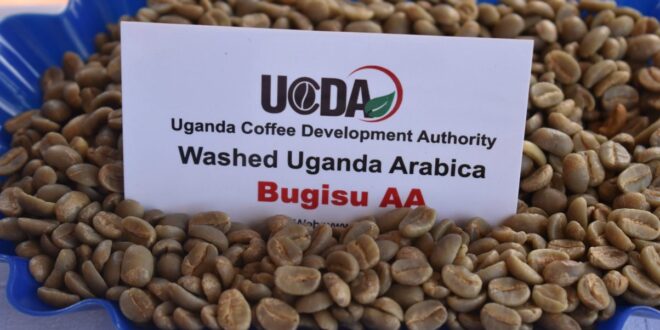
Uganda’s coffee sector has been put on alert and thrown into anxiety after police in Vietnam uncovered a massive fake coffee operation, raising fears that counterfeit coffee products could find their way into markets and affect her share.
Vietnamese police have launched a criminal investigation after raiding a warehouse in the Central Highlands province of Lam Dong, where officers seized 4.1 tonnes of fake coffee products and an additional 3 tonnes of raw materials used in the illegal production.
The Ministry of Public Security confirmed that the fake coffee was manufactured using soybeans mixed with flavourings, then ground and sold as real coffee to unsuspecting consumers.
According to police, the warehouse owner, Luong Viet Kiem, admitted that his firm deliberately mixed soybeans and artificial flavourings with small amounts of coffee beans to manufacture ground coffee for the local market.
The raid followed the interception of a truck earlier this week carrying 1,056 bags of ground coffee weighing 528 kilograms without any documentation — triggering deeper investigations that exposed the larger operation.
Authorities say more arrests and seizures may follow as investigations continue.
Why Uganda Is Worried
Vietnam is the world’s largest producer of Robusta coffee, the same variety that dominates Uganda’s coffee exports. Any contamination of global supply chains with fake coffee threatens prices, trust, and market access for genuine producers.
Uganda, Africa’s leading coffee exporter, risks reputational damage if counterfeit coffee circulates internationally — especially in blended or bulk shipments.
Uganda’s coffee exports for Calendar year 2025 totaled 8.7 million bags worth USD 2.5 billion (UGX 8.9 Trillion) compared to 5.9 million bags worth US$ 1.4 billion (UGX 5.4 trillion) in the previous year 2024. This represented an increase of 48% and 71% in quantity and value respectively.
Industry players warn that fake coffee is increasingly hard to detect, particularly once ground and packaged.
“Fake coffee products are not rare,” said Nguyen Quang Tho, a coffee trader based in neighbouring Dak Lak province. “They can be made from soybeans, corn, or both. These products are cheaper, but nobody knows if they are safe for human consumption.”
The incentive for fraud is clear. Farmers in Vietnam’s Central Highlands are currently selling real coffee beans at between 100,100 and 100,500 dong per kilogram (about $3.86) — nearly three times the price of soybeans.
The huge price gap has fuelled industrial-scale adulteration, allowing fraudsters to rake in massive profits while undercutting genuine coffee producers.
This is not the first food safety scandal in Vietnam’s coffee belt. In 2018, police arrested five suspects accused of using battery chemicals to dye waste coffee beans, which were then sold as black pepper.
The latest scandal has revived fears that toxic or unsafe substances could be used in fake beverages marketed as coffee.
Vietnam exported 1.6 million tonnes of coffee worth $8.9 billion last year, according to government customs data — an 18.3% increase in volume and a 58.8% surge in value.
Analysts warn that the discovery of fake coffee could trigger stricter inspections, tougher traceability rules, and market disruptions, affecting coffee-exporting countries like Uganda, Ethiopia and others.
Coffee sector stakeholders are now calling on Ugandan regulators, exporters, and consumers to remain vigilant, tighten quality controls, and protect the integrity of the country’s most valuable agricultural export.
As global demand and prices rise, so too does the risk of coffee fraud — and the battle to protect Africa’s coffee reputation may have just become more urgent.