 pressug.com News 24 7

Related Articles



Tears, anger and disbelief have engulfed Nsambya after the Kampala Archdiocese move to evict more than 500 people from Nsambya Housing Estate, triggering accusations of betrayal, hypocrisy and cold-hearted disregard for families who have called the church-owned land home for over five decades.
What was once a quiet, tight-knit estate built in the 1960s has now turned into a battleground of legal notices, petitions and desperate pleas for mercy. At the centre of the storm is the Kampala Archdiocese Land Board, which has issued what it calls a “FINAL REMINDER” ordering all former lessees of Plot 239, Kyadondo, West Buganda, to vacate the estate by April 30, 2026.
In its February 17, 2026 notice, the Registered Trustees of Kampala Archdiocese declared that the leases expired, are not subject to renewal, and that anyone remaining after the deadline will be considered in unlawful possession — with legal action to follow “without further notice.”
But for the 107 affected families — estimated at over 535 people — this is not just about expired paperwork. It is about broken promises, shattered retirement plans and lives built brick by brick over 49 years.
“We were told clearly that the Church had no intention of evicting us,” says one elderly resident, clutching faded copies of old correspondence. “Some of us were born here. We raised our children here. We invested our retirement savings here. Now they want to throw us out like squatters.”
Tenants point to a crucial meeting held on September 1, 2016 between Rev. Fr. Gerald Mpanju and estate representatives. In a follow-up letter dated September 29, 2016, the Church reportedly assured tenants it had no intention of evicting them upon expiry of their leases. Instead, they were told the land would be redeveloped in phases into four-storey flats and that each tenant would be allocated a flat at no extra cost other than annual ground rent.
“The understanding was simple,” explains a member of the Nsambya Estate House Owners Association (NEHOA). “Redevelop, yes. Evict and abandon us, no. We were promised inclusion in the new project. That was the deal.”
In fact, the 2016 communication explicitly outlined that redevelopment would be phased and that tenants would be given one flat each upon completion of their respective phase. The Church would sell or rent the remaining units to recover redevelopment costs. Tenants were even encouraged to unite under their association to ensure smooth transition.
Fast forward to 2026, and that promise appears to have evaporated.
Instead of phased relocation and guaranteed return, residents say they have received cold eviction notices referencing a 1972 lease agreement clause requiring them to “yield up the land” upon expiry. The tone of the December 30, 2025 letter signed by Dr. Lawrence M. Kyazze of the Land Board stunned many.
“Without prejudice. Notice to give vacant possession.” No mention of the earlier assurances. No concrete relocation plan. No compensation framework. Just a date to leave.
KAMPALA ARCHBISHOP PETITIONED
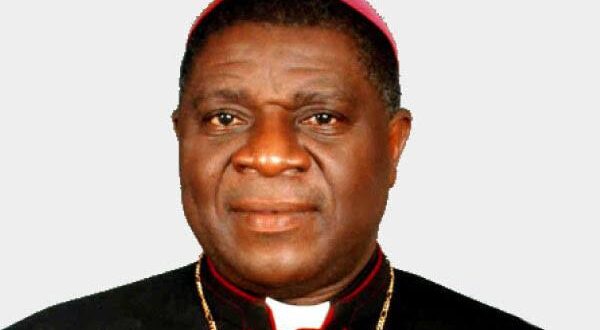
Lawyers representing the tenants under Silicon Advocates have since petitioned the Archbishop of the Kampala Archdiocese, Most Rev. Paul Ssemogerere, describing the move as “heartless” and accusing the Land Board of acting in bad faith. They question why, out of 112 houses, only four leases were selectively renewed to 99 years while the rest were ignored.
“On what criteria were the four selected?” the lawyers asked. “If redevelopment is the objective, why extend some leases and deny others? Why approve new owners over the years if the intention was not to renew and eventually evict?”
The petition to the Archbishop pleads for mercy, dialogue and mediation. It warns that more than half of the affected families have spent their entire lives at Nsambya Estate and have no alternative homes.
One retired civil servant who bought his house specifically for retirement broke down while speaking to RedPepper publication. “I invested my entire pension here. Where do I go at 72? To rent? To become a burden to my children? This is not what the Catholic Church taught us about compassion.”
Even more shocking to tenants is the claim that the Kampala Archdiocese Land Board continued approving transfers and new buyers over the years, despite allegedly knowing that renewal was unlikely. “They allowed people to buy into the estate knowing eviction was coming. Is that fair dealing?” another resident asked.
MAKINDYE RCC NOTIFIED
To show determination to move on with eviction, on December 9, 2025, the Kampala Archdiocese Land Board formally notified Mark Baingana, the Resident City Commissioner of Makindye about its redevelopment plans, describing the 16-acre estate as set for transformation into an “ultra modern facility that matches the times and demands of the city.” It stated that leases had expired and that the land had reverted to the lessor.
But residents argue that legal technicalities cannot override moral obligations.
“How does a Church that preaches mercy and protection of the vulnerable become the first to render its own faithful homeless?” asked one furious tenant. “This is not just a land matter. It is a moral test.”
The tenants have also petitioned State Minister for Lands Sam Mayanja, urging government intervention to halt the eviction, investigate the selective lease renewals, and compel mediation. They cite constitutional protections under Articles 26 and 237 and provisions of the Land Act that safeguard leaseholders from arbitrary re-entry.
The petitioners request the minister: “1) You schedule an appointment with the leasehold occupants on the said estate land to forge a way forward. 2) Halt the Eviction: Issue a suspension on any eviction proceedings until this dispute is resolved through mediation. 3) Call for Mediation: Compel the Kampala Archdiocese Land Board to resume conversations regarding the promised redevelopment inclusion and 4) Review the Renewal Denial: Investigate the selective renewal of only four houses to ensure the process was fair, transparent, and non-discriminatory. Our clients are peaceful, law-abiding citizens. They don’t plan confrontations or any illegal means but a just and lawful resolution that respects their dignity and shelter rights. We have documented all engagements between our clients (tenants) and landlord and we are prepared to present evidence to that effect.”
They insist they are not opposed to redevelopment. What they oppose is being discarded without compensation, relocation or guaranteed reintegration into the proposed modern estate.
“This is our home, not a temporary shelter,” said one mother of three. “We are not encroachers. We signed leases in 1972. We honoured our obligations. We paid ground rent. We maintained these houses. Now we are being treated like illegal occupants.”
The final reminder notice warns that any property left behind after April 30 will not be the responsibility of the Archdiocese. That line alone has sent chills across the estate.
Residents say they have repeatedly sought audience with Church leadership but claim meaningful dialogue has been denied. “If we are wrong, let them sit with us and explain. But don’t hide behind legal language while ignoring decades of relationship,” one association member said.
As the eviction deadline looms, Nsambya Estate stands at a crossroads. Bulldozers may soon replace bougainvillea fences. Four-storey flats may rise where modest homes once stood. But for now, fear hangs heavy in the air.
“This is not development,” one resident said quietly. “It is displacement.”
Whether the Archbishop will intervene, whether government mediation will pause the process, or whether over 500 people will indeed be pushed out by April remains to be seen.
What is certain is that the controversy has ignited a painful question echoing beyond Nsambya: When faith meets profit, who truly counts?
Watch this space!
GOT A HOT STORY? EMAIL: redpeppertips@gmail.com