 pressug.com News 24 7

Related Articles
By Kyeyune Ali
Ntoroko District has reaffirmed its commitment to sustaining the successes of the Local Economic Growth Support (LEGS) Project, an initiative implemented by the Ministry of Local Government with funding from the Lives and Livelihoods Fund (LLF), the Islamic Development Bank (IsDB), and the Government of Uganda.
The pledge was made during the ongoing LEGS Supervision Mission, a formal review exercise aimed at assessing project progress, capturing key lessons, and outlining strategies for a smooth transition and closure of the first phase.
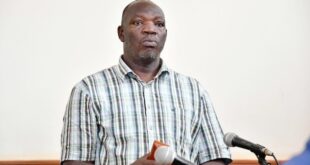
Speaking during the mission, Mr. Agum Moses, the Chief Administrative Officer (CAO) of Ntoroko District, assured the visiting delegation that the district is dedicated to maintaining the tangible gains achieved under the project. He particularly highlighted the improvement of community access roads that have enhanced local connectivity and boosted trade within the district.
“The LEGS Project has transformed the livelihoods of our people by improving market access and stimulating economic activity. As a district, we are committed to ensuring that these achievements are preserved and built upon,” Mr. Agum said.
The supervision team, led by Dr. Mouchili Mayoua, the Country Operations Manager of the Islamic Development Bank (IsDB), toured several key project sites in Ntoroko District. These included the Kimara Valley Dam, a 6,000-cubic-metre water reservoir serving over 250 households and approximately 5,000 heads of cattle, as well as the Butungama Livestock Market and the Karugutu Sub-County Women’s SACCO.
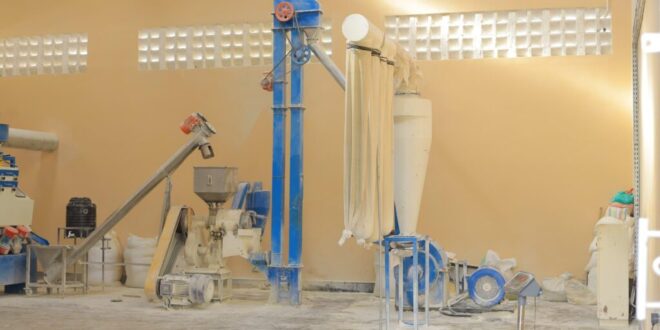
The women’s SACCO benefited from an agro-processing facility equipped with maize and rice milling machinery, which has enhanced value addition and increased income generation for local farmers.
Dr. Mayoua commended the district’s efforts in ensuring effective implementation and sustainability of the project’s interventions, noting that the Islamic Development Bank remains committed to supporting Uganda’s local economic development agenda.
He revealed that the upcoming LEGS Phase II will expand its interventions to 55 districts across the country, building on the successes of the first phase to deepen impact, resilience, and inclusive growth among rural communities.
“LEGS has demonstrated that strategic investments at the local level can transform livelihoods. Phase II will scale these successes to more districts, ensuring that no community is left behind,” Dr. Mayoua said.
The LEGS Project focuses on empowering local governments to drive inclusive economic growth through infrastructure development, value addition, and livelihood improvement — key components in Uganda’s broader vision for sustainable rural transformation.