 pressug.com News 24 7

Related Articles


The economic rights of LGBT+ people are ignored by development projects.
In this interview, Luc Agblakou of Benin, a founding member of the economic and human rights group Hirondelle Club International, discusses the challenges facing young LGBT+ people who are excluded and marginalized in his country, as well as throughout West Africa, especially at a time when Senegal’s parliament has passed a bill to increase penalties for homosexuality.
There can be no social integration without economic integration
Erasing 76 Crimes: What about the economic rights of the LGBT+ individuals your organization supports?
Luc A.: Hirondelle Club International provides housing and support for three months to homeless youth from the LGBT+ community, primarily in Benin, but we are also active in neighboring countries.
The people we care for are very vulnerable, as they are individuals who have been cast out by their families, shunned by their respective communities of origin, and lack social or economic capital.
In West Africa, the people families often drive away are LGBT+ individuals, who represent one more mouth to feed and do not bring in income for their households.
We are dealing with young people who sometimes survive by any means necessary, through sex work or illicit activities. [Editor’s note: In Benin, pimping is prohibited under Article 556 of Law No. 2018-16 of the Penal Code, but street prostitution is legal, as is homosexuality].
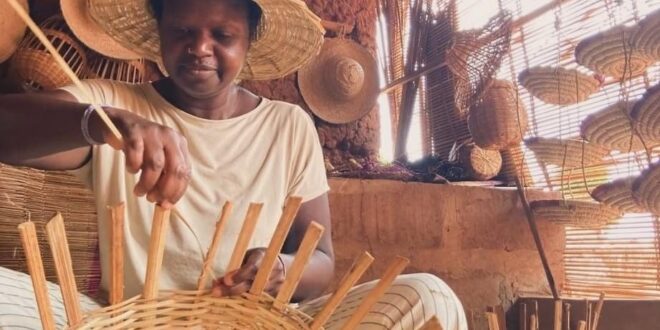
At our organization, we offer short-term training courses in manicure, pedicure, makeup, and embroidery to anyone interested. However, the issue of helping the people we support find employment remains unresolved, and this challenge is even more acute for transgender and intersex individuals.
Furthermore, local businesses do not hire them, and the authorities are not really interested in this type of issue.
In this context, if there were loans available for income-generating activities for LGBT+ people, that would have made things easier.
The economic self-sufficiency of LGBT+ people as an overlooked issue by international donors
Erasing 76 Crimes: Do you work with organizations that offer support for financial inclusion and microfinance?
Luc A: There are absolutely no projects that genuinely address the economic situation of LGBT+ people. Most of the projects that international donors propose we work on focus solely on education and health issues.
Yet our findings based on field observations are crystal clear: LGBT+ individuals who are financially secure are rarely discriminated against, and when those affected have money, the rest of the population is much less judgmental about their sexual orientation.
However, this lever for economic autonomy, social respectability, and the prevention of homophobia is severely underfunded.
At our level, there is no shortage of viable project ideas that create jobs: planting teak trees in partnership with local carpentry sectors, or planting oil palms to provide cooking oil for Beninese housewives.
Today, I regret that we have never been given the opportunity to discuss these issues with development aid donors, as an organization working with the LGBT+ community. We are only offered the chance to work with small grants, none of which are specifically earmarked for the sustainable professional integration of the people we support.
The Role of Tourism in Benin
Erasing 76 Crimes: In Benin’s tourism sector, are there opportunities for the young people your organization supports to find employment?
Luc A.: Yes, some young people find work as waitstaff in restaurants, or as kitchen assistants, or even pastry chefs in hotels. However, the main job opportunities remain in the informal sector, particularly in hairdressing and beauty services. And I’m particularly concerned about the situation facing trans and LBQ+ women.