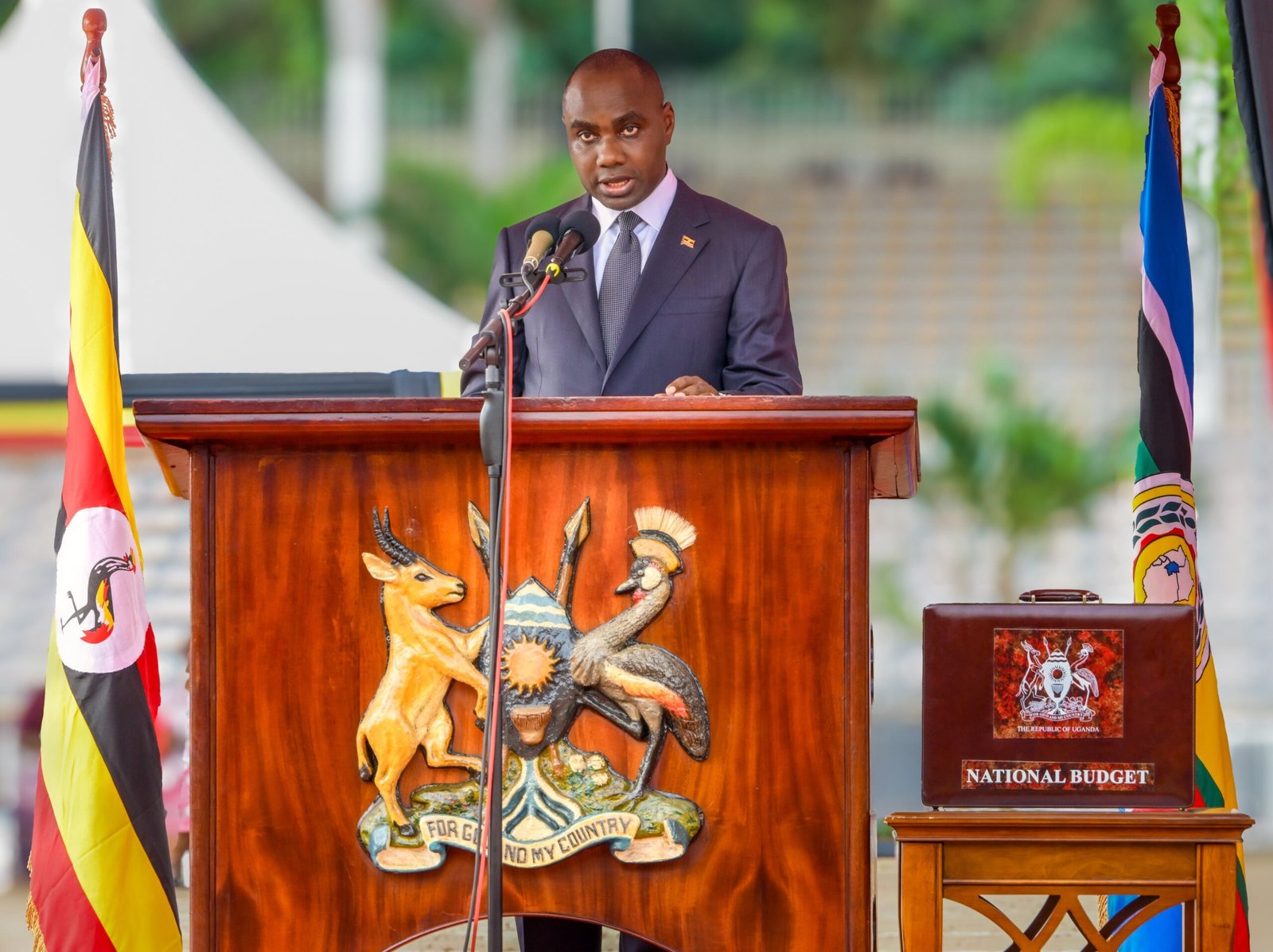
Kololo, Kampala — Under clear skies at Kololo Ceremonial Grounds, Uganda’s newly appointed Minister of Finance, Planning and Economic Development, Hon. Henry Musasizi, delivered his first national budget speech on behalf of the Government of Uganda, unveiling an ambitious Shs 84.3 trillion budget for the Financial Year 2026/27.
The budget, the largest in Uganda’s history, arrives at a pivotal moment. The country stands on the threshold of commercial oil production, expanding industrialization, and deeper regional integration. At the same time, it faces familiar challenges: youth unemployment, infrastructure financing, public debt management, climate vulnerabilities, and the pressing need to convert economic growth into household prosperity. More than a fiscal statement, the budget serves as a strategic roadmap for Uganda’s Ten-Fold Growth Strategy, a government agenda aimed at transforming the economy into a US$500 billion economy in the coming decades. The question now is whether Uganda can translate ambition into measurable outcomes.
A Budget Built Around Economic Transformation, unlike previous budgets that focused heavily on economic recovery and stabilization, the FY 2026/27 budget is fundamentally a growth-oriented budget. Government has prioritized what it describes as the “ATMS” growth drivers Agriculture, Tourism, Minerals, and Science, Technology and Innovation while simultaneously investing in infrastructure, human capital, manufacturing, and market access. The approach reflects a growing recognition that sustainable economic transformation cannot be driven by a single sector. Instead, growth must emerge from interconnected investments that increase productivity, create jobs, expand exports, and improve competitiveness. In many ways, Uganda’s strategy mirrors the pathways previously pursued by emerging economies in Asia, where agricultural modernization, infrastructure development, industrialization, and skills development worked together to accelerate economic growth.
Infrastructure Remains the Backbone, One of the most significant allocations in the budget is transport infrastructure, which receives Shs 8.79 trillion. Government plans to continue construction of the Standard Gauge Railway from Malaba to Kampala, upgrade roads and bridges, expand water transport systems, operationalize Kabalega International Airport, and strengthen Uganda Airlines. The Standard Gauge Railway remains one of the most consequential projects. Once completed, transport costs between Mombasa and Kampala are expected to reduce significantly while transit times could fall from five days to one. Such improvements could substantially lower the cost of doing business and enhance Uganda’s competitiveness within the East African Community. Across Africa, countries that have achieved sustained growth have often done so by first reducing logistics bottlenecks. Uganda appears determined to follow a similar trajectory.
Energy development receives Shs 2.07 trillion, with government prioritizing expansion of electricity generation, transmission infrastructure, rural electrification, and preparations for future nuclear energy development. Uganda’s installed generation capacity now stands at 2,098 megawatts, but government has set an ambitious long-term target of more than 52,000 megawatts to support industrialization and urbanization. The significance of this investment extends beyond electricity, reliable and affordable energy remains one of the most important determinants of industrial competitiveness. Manufacturing firms, technology parks, agro-processing facilities, and mineral beneficiation industries all depend on stable power supplies. For Uganda, energy is no longer merely a utility issue it is an economic transformation issue.
One of the most notable aspects of the budget is the continued emphasis on human capital development. Government has allocated Shs 13.56 trillion toward health, education, water, sanitation, and social protection programmes. The health sector alone will receive Shs 5.23 trillion, with priorities including maternal and child health, immunization, essential medicines, specialized healthcare, and emergency response systems. Recent achievements cited in the budget include the country’s first successful bone marrow transplant, expansion of regional cancer centres, deployment of CT scan machines to regional referral hospitals, and continued progress on the International Specialized Hospital of Uganda at Lubowa. Education receives Shs 6.66 trillion, focusing on Universal Primary and Secondary Education, STEM education, vocational training, curriculum reform, and teacher welfare. Government has also allocated an additional Shs 568.65 billion to improve salaries for primary school teachers and arts teachers. These investments signal an understanding that economic growth without human development is unlikely to be sustainable.
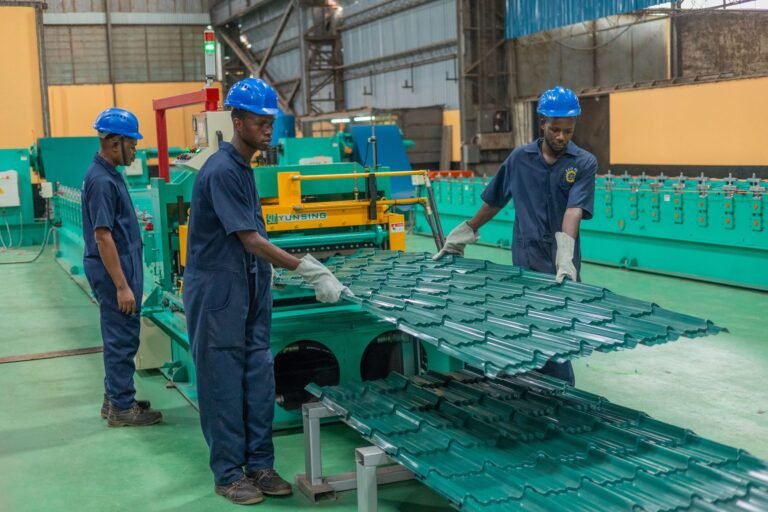
Manufacturing and Value Addition Take Centre Stage, Perhaps the most strategically important component of the budget is its emphasis on industrial development. Government has allocated Shs 1.03 trillion to manufacturing and industrialization, prioritizing industrial parks, value addition, industrial research, regional incubation hubs, and capitalization of the Uganda Development Corporation. The logic is straightforward, Nations become prosperous not by exporting raw materials, but by transforming them into higher-value products. Uganda’s growing network of industrial parks, Special Economic Zones, and industrial hubs reflects an effort to move beyond a commodity-export economy toward one driven by manufacturing and value addition. The increase in formal factories to more than 10,000 nationwide illustrates the scale of this transition.
Across East Africa, governments are pursuing similar development objectives. Kenya is prioritizing compliance-based revenue mobilization and digital transformation. Tanzania continues to invest heavily in transport and energy infrastructure. Rwanda remains focused on technology, skills development, healthcare, and structural transformation. Uganda’s budget distinguishes itself through its combination of oil readiness, industrialization, agro-industrialization, tourism promotion, and infrastructure expansion. The challenge will be ensuring these investments work together to generate productivity gains rather than operate as isolated projects.
Every budget tells a story of priorities, the FY 2026/27 budget tells the story of a country preparing for a new economic chapter one shaped by oil revenues, industrial growth, expanded infrastructure, and stronger human capital. Yet Uganda’s development history also offers a cautionary lesson: implementation matters more than allocation. Roads must be completed on schedule. Industrial parks must attract investors. Schools must improve learning outcomes. Hospitals must deliver quality healthcare. Infrastructure must stimulate commerce and create jobs. The success of this budget will therefore not be measured by the size of the expenditure but by the quality of its execution.
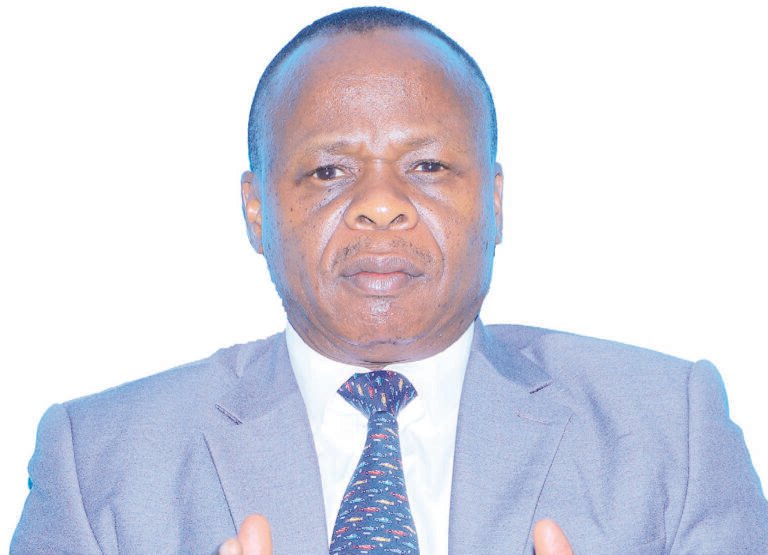
Hon. Henry Musasizi’s first budget speech as Minister of Finance projects confidence in Uganda’s economic future. It is a budget built on transformation rather than maintenance, growth rather than recovery, and long-term structural change rather than short-term interventions. For investors, entrepreneurs, farmers, manufacturers, and young professionals, the opportunities outlined are significant. For government institutions, however, the responsibility is even greater, the FY 2026/27 budget may be remembered not because it was Uganda’s largest budget, but because it represented a defining transition from planning for transformation to delivering it. Whether that promise is realized will depend on what happens after the applause at Kololo fades and implementation begins.