 pressug.com News 24 7

Related Articles



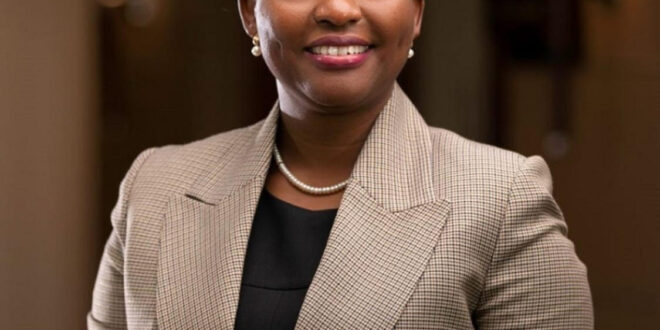
A bombshell leaked board resolution from Stanbic Bank Uganda has laid bare the real reasons behind the dramatic exit of CEO Anne Juuko in 2024 and it’s not the rosy “promotion” story that was sold to the public.
Kampala was left buzzing, boardrooms kept whispering, and the truth is finally exploding into the open, what was dressed up as a “routine redeployment” has all the markings of a ruthless corporate takedown.
Behind the polished statements and PR spin lies a brutal verdict: failure to meet expectations.
According to the confidential board document, Juuko’s fate was sealed in a brutal fashion. Directors resolved to end her tenure no later than March 31, 2024, citing a cocktail of deep-rooted problems that insiders say had been festering for years.
The memo pulls no punches.
It accuses her leadership of presiding over a distressed control environment for at least three years with absolutely no improvement.
In banking terms, that’s a red flag the size of a mountain.
But it gets worse.
The bank reportedly lost market share to competitors in Uganda’s cutthroat financial sector, raising serious questions about whether Juuko’s strategy was ever working.
And then came the financial blow, operational losses, including a staggering UGX 66 billion hit, one of the largest within the wider Standard Bank Group network.
Sources say that alone sent shockwaves through shareholders.
The board also faulted her for failing to collaborate with group leadership, particularly, then Stanbic Uganda Holdings Limited (SUHL) CEO Francis Karuhanga, something insiders say damaged the Stanbic brand both internally and externally.
Add to that repeated defiance of board instructions, and the writing was clearly on the wall—Signed! Sealed! Done! Bye-bye Juuko.
The board resolution, dated December 9, 2023, carries signatures of top directors including Chairman Daman Kitabire and regional power players like Patrick Mweheire, a clear signal that this was not a small internal disagreement but a high-level corporate execution.
WIDER PICTURE
Highly placed sources inside the bank say Juuko was actually supposed to be axed earlier than that but she reportedly pleaded for more time and was granted a temporary lifeline until March 2024.
That grace period, insiders say, changed nothing.
“She was fighting a losing battle,” one source revealed. “The numbers just weren’t convincing.”
Despite taking over during the COVID-19 crisis, expectations remained sky-high and according to insiders, she failed to deliver the aggressive profit growth demanded by shareholders.
They point to a grim list of underperformance: sluggish operating income, falling net trading income, stagnant fees and commissions, rising non-performing loans, and increasing bad debts.
Even shareholder value reportedly took a hit.
“She came in when earnings per share were above Shs5, they’ve been declining since. Dividends? Stagnant. Growth? Flat,” an insider then fumed.
And while the bank did pay out an interim dividend of Shs125 billion in 2023, critics argued that wasn’t enough to silence concerns.
Then came the scandal that insiders say “finished her.”
A high-profile cyber heist saw a client lose $1.8 million (Shs6.6 billion) after the bank’s system was compromised. The incident sent panic through the banking halls and dented customer confidence.
Worse still, some suspects were reportedly insiders.
Pressure mounted day and night for answers and for solutions. But according to sources, Juuko’s management failed to contain the growing perception that the bank’s systems were vulnerable.
In total, until that heist, her administration had raked in losses of about Shs66bn of that nature.
Inside the bank, the mood reportedly turned toxic.
Staff morale plunged to historic lows, with whispers of fear, mass terminations, and ruthless cost-cutting strategies.
One shocking claim alleges that an entire branch in Mubende saw 100% staff termination.
Employees reportedly lived in constant fear of dismissal over minor mistakes, while vacant positions were deliberately left unfilled to cut costs.
Former staff paint an even darker picture, claiming benefits were withheld, end-of-year staff appreciation scrapped, and while workers struggled, the Juukos’allegedly rewarded themselves with massive bonuses.
Explosive allegations also emerged of a powerful internal “cartel” operating within the bank—controlling recruitment, promotions, and even manipulating systems.
One former insider claims the group could force staff on leave, reset their system access, and use their credentials to commit fraud, leaving innocent employees to take the fall.
Juuko failed to manage all this.
And then there’s the politics.
Sources allege Juuko’s perceived closeness to government power circles raised eyebrows among bosses at Standard Bank Group, who prefer to keep business and politics worlds apart.
Some suspected she was blurring those lines, something that may have accelerated her downfall.
Her marriage to top city lawyer Apollo Makubuya, who then chaired the board of a rival bank, Equity Bank Uganda Limited, only added fuel to speculation.
Was there discomfort at the top about potential conflicts of interest?
No one is saying it outright, but whispers are loud.
To save face, Juuko was shipped off to Nairobi into what insiders describe as a largely cosmetic role, Standard Bank’s Regional Head, Global Markets. As fate would have it, she last year stepped down under a cloud of underperformance and unresolved issues, details we will lay bare in our next publication, effectively signalling the closing chapter of her journey within Standard Bank Group.
And the truth is only just beginning to surface.
Post Views: 2
, https://thecapitaltimes.co.ug/inside-story-leaked-memo-reveals-what-led-to-juukos-exit-from-stanbic-bank-uganda/