 pressug.com News 24 7

Related Articles



Viewers: 90,003
By Spy Uganda
What many analysts expected to be a swift military campaign has instead evolved into a prolonged conflict, with Iran continuing to withstand sustained attacks from the United States, challenging assumptions about Washington’s ability to quickly force Tehran into submission.
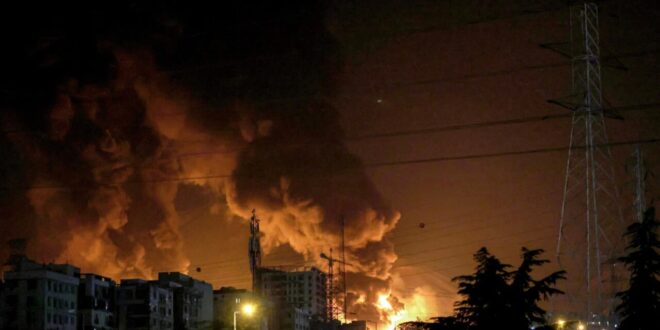
Despite seven consecutive nights of American airstrikes targeting military infrastructure, surveillance facilities, underground weapons depots and logistical networks, Iran has remained engaged in the conflict and continues to launch retaliatory attacks against US interests and allies in the region.
The US Central Command (CENTCOM) confirmed that American forces carried out another round of overnight strikes as President Donald Trump declared the temporary ceasefire agreement with Iran “over.”
According to CENTCOM, the latest operation targeted Iranian surveillance sites, military logistics infrastructure, underground weapons storage facilities and maritime assets in an effort to weaken Tehran’s military capabilities.
However, Iran has continued to demonstrate its ability to respond.
Iranian authorities said they launched retaliatory strikes targeting facilities in Kuwait, a key US ally in the Gulf. Kuwaiti officials confirmed that a power plant, a water distillation facility and an oil installation were struck during the attacks.
The continued exchange of attacks has surprised many observers who had expected the superior military capabilities of the United States to quickly overwhelm Iran.
Instead, Tehran has continued to absorb repeated strikes while maintaining its military response, highlighting its capacity to sustain a conflict against one of the world’s most powerful armed forces.
The fighting has also inflicted costs on the United States.
CENTCOM announced that two American service members were killed during Friday’s operations, while another remains missing.
The renewed hostilities have now entered their second week after a temporary ceasefire collapsed.
The United States and Iran had agreed in mid-June to suspend fighting to allow negotiations toward a permanent peace agreement. However, talks made little progress before President Trump declared the ceasefire terminated on July 8, paving the way for the resumption of military operations.
The conflict has since expanded beyond direct military strikes.
Washington has reinstated a blockade on Iranian ports, while Tehran responded by declaring the strategically important Strait of Hormuz closed, raising fresh concerns over global oil supplies and regional security.
Iran’s leadership has accused Washington of acting in bad faith.
In a written statement released on Saturday, Supreme Leader Mojtaba Khamenei said repeated American violations of the ceasefire agreement demonstrated that the United States could not be trusted.
“America’s repeated breaches have laid bare a fundamental truth: the signature of the US president is utterly worthless and devoid of credibility,” Khamenei said.
He further described the renewed military campaign as evidence of American “dishonesty” and its “malicious nature.”
As the conflict drags on, military analysts say the war is proving far more difficult and costly than many had anticipated. While the United States maintains overwhelming technological and military superiority, Iran has demonstrated resilience by continuing to fight despite sustained bombardment, suggesting that the conflict may become a prolonged war of endurance rather than the short campaign many initially expected.
, https://www.spyuganda.com/iran-defies-superpower-war-enters-7th-day-as-us-struggles-to-break-tehran/