 pressug.com News 24 7

Related Articles



Viewers: 90,001
By Spy Uganda
Uganda’s Parliament on Tuesday passed the controversial Protection of Sovereignty Bill, 2026, following a tense and chaotic sitting in which opposition lawmakers struggled to have their voices heard.
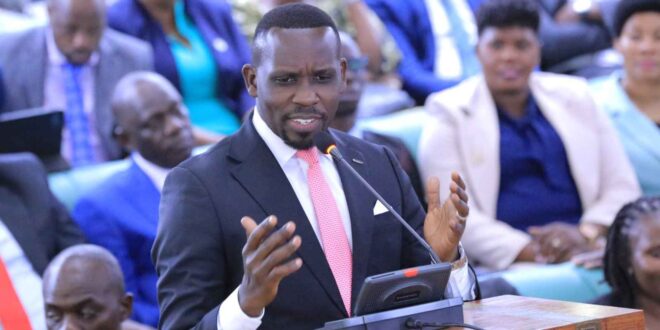
The session, marked by procedural disputes and sharp exchanges, saw legislators from the opposition repeatedly raise concerns over the handling of the Bill, only for many of their submissions to be dismissed or left unresolved. The opposition, led by Nakawa West MP Joel Ssenyonyi, protested what they described as a lack of meaningful debate on a law with far-reaching implications.
Despite the friction, the House proceeded to pass the Bill, which had undergone significant last-minute amendments by government.
Among the most notable changes was the removal of a controversial clause that would have classified Ugandan citizens living abroad as “foreigners.” The revision followed widespread criticism from diaspora communities and policy experts, who warned that such a provision risked undermining citizenship rights and discouraging remittances and investment.
The amended Bill now defines a foreigner more narrowly, focusing on individuals or entities directly involved in activities deemed harmful to Uganda’s sovereignty, including foreign governments, multinational organisations, and non-citizens engaged in specified actions.
Attorney General Kiryowa Kiwanuka, who tabled the revisions before a joint committee last week, also introduced changes to the definition of an “agent of a foreigner.” The revised wording shifts emphasis away from mere association or funding links to direct participation in prohibited activities—an adjustment aimed at addressing concerns from civil society and legal commentators.
Another key provision scrapped from the original draft is one that had listed employment, sponsorship, or collaboration with foreign entities as potentially criminal acts. Critics had argued that the clause could inadvertently target legitimate partnerships, advocacy work, and professional engagements.
In addition, government dropped a proposal that would have granted sweeping powers to the minister to unilaterally declare individuals or organisations as “foreigners,” a move that had raised fears of abuse.
The Bill has been the subject of intense scrutiny from lawmakers, academics, civil society groups, and members of the public. During earlier committee sittings, several MPs, including Mukono Municipality legislator Betty Nambooze, warned that both the original Bill and its subsequent amendments were being rushed through Parliament.
Committee Chairperson Stephen Baka Mugabi also questioned how the law would apply to political actors, particularly whether candidates who receive campaign financing from abroad could be deemed foreign agents.
Responding to concerns, State Minister for Internal Affairs David Muhoozi maintained that the law would apply equally to all individuals, regardless of citizenship, if they engage in activities prohibited under the Act.
President Yoweri Museveni has publicly defended the Bill, dismissing claims that it would hinder foreign investment or diaspora remittances. In a statement issued last week, he said the proposed law is intended to safeguard national sovereignty without disrupting legitimate economic and social ties.
While the passage of the Bill marks a legislative milestone for the government, the contentious manner in which it was debated is likely to fuel ongoing political and public discourse over its implications and enforcement.
, https://www.spyuganda.com/parliament-passes-sovereignty-bill-amid-tense-sitting-opposition-protests/


Hello. And Bye.