 pressug.com News 24 7

Related Articles



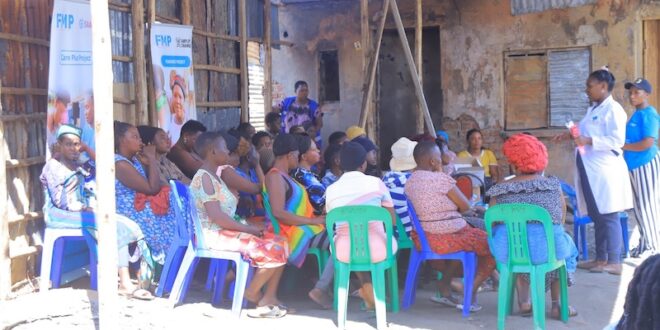
Beneath the constant hum of boat engines and the steady flow of passengers across Lake Victoria, a silent health crisis is deepening at Kigungu landing site, fuelled by misinformation, limited access to services and the transient nature of fishing communities.Health workers warn of rising HIV infections and unsafe abortions in the densely populated lakeside settlement, home to more than 70,000 residents and a daily transit point for over 1,000 travellers.During a recent outreach, Family Medical Point, a community health organisation, set up camp at Mirembe Health Centre, offering sexual and reproductive health services to residents who rarely access formal healthcare.Isabella Amony, the team leader, said risky sexual behaviour remains widespread, largely driven by lack of access to information and protection.“Sex doesn’t wait. Every day, people are engaging in sexual activity, often exposing themselves to HIV and unintended pregnancies because they lack access to contraceptives, services and even condoms,” she said.She noted that persistent condom stock-outs at the landing site continue to worsen the situation.“We need continuous community engagements to remind people that their health matters and that protection is critical, not just against unintended pregnancies but also HIV,” Amony added.During the outreach, the organisation reached more than 500 women of reproductive age through health education sessions. However, Amony said the high number of women seeking post-abortion care at nearby facilities points to ongoing unsafe abortions within the community.“This shows that unsafe abortions are happening, but many people only seek help when complications arise,” she said.She attributed the trend to inadequate health education, high population mobility and limited access to contraceptives.“The prevalence remains high because people are constantly moving. There is not enough health education, and access to condoms and family planning services is still limited,” she said.Kayidali Medi, a village health team (VHT) member in Kigungu, said continuity of HIV treatment is a major challenge due to the mobile nature of residents.“Many people are on HIV medication, but because they keep moving between landing sites, they fail to maintain treatment. We try to link them to government facilities, but the transfer process is not always easy,” he said.Kigungu, which comprises Kigungu Central, Mayanzi, Misori and Old Entebbe villages, serves as a key transit hub connecting islands on Lake Victoria to Entebbe and Kampala.The constant movement of people, health workers say, has contributed to the spread of sexually transmitted infections, as new arrivals often hesitate to seek testing and treatment.“We encourage people to remain on treatment as part of efforts to achieve the 2030 target of ending HIV as a public health threat,” Medi said.He also linked the rise in unsafe abortions to gaps in family planning information. A former sex worker at the landing site, who requested anonymity, said economic hardship pushed her into the trade after being abandoned by her husband.“We live a hard life. I joined sex work to support my children, but in the process I contracted HIV,” she said.She has since quit and now earns a living managing a public toilet while undergoing treatment.“I faced a lot of violence from clients. Some would even run away without paying. The scars I have are from that experience, and I am still dealing with the effects,” she said.“I cannot afford even Shs 30,000 in a UPE school. I appeal to the government to support us with truly free education,” she said.Dr Enock Cedikol of Family Medical Point said Kigungu remains a priority area due to the growing need for sexual and reproductive health services.“We conduct regular outreach sessions in landing sites like Kigungu to address gaps in family planning, prevent unsafe abortions and provide accurate health information,” he said.“Many people believe family planning is only for married couples or fear its side effects. We are working to correct these myths and promote safer sex,” Dr Cedikol said.He said that although there has been some improvement in service uptake following increased funding, the levels remain below expectations.“Male involvement in reproductive health is still low. We encourage women to share this information with their partners because men play a key role in decision making,” he said.
Related
, https://observer.ug/news/silent-crisis-unfolds-at-kigungu-landing-site-as-hiv-unsafe-abortions-rise/