 pressug.com News 24 7

Related Articles

Beaten for holding his partner’s hand, Mimoun Kabdani sheds light on growing fears among LGBTQ individuals
A violent assault in Rabat has brought renewed attention to the risks faced by LGBTQ individuals in Morocco, where legal restrictions and social stigma continue to shape everyday life. The case centers on Mimoun Kabdani, a 30-year-old Moroccan man who says he was attacked after being seen holding hands with his boyfriend in a public street, an act that quickly escalated into a violent confrontation.
On a February afternoon, Mimoun was walking with his partner in a residential area when several men approached from behind a parked car. What began as verbal harassment rapidly turned into physical violence. According to his account, the attackers surrounded him, shouting insults and homophobic slurs before beating him repeatedly in the street. He recalls feeling a sudden sharp pain before realizing he was bleeding, describing how he managed to escape while injured and disoriented.
The attack left Mimoun with visible injuries, including a broken tooth and facial wounds. However, he says the psychological impact has been even more severe. In the aftermath, he has struggled with anxiety, sleep disturbances, and a persistent sense of fear. Everyday situations, such as walking outside or encountering groups of people, have become sources of distress. His experience reflects not only the immediate consequences of violence but also its lasting emotional toll.
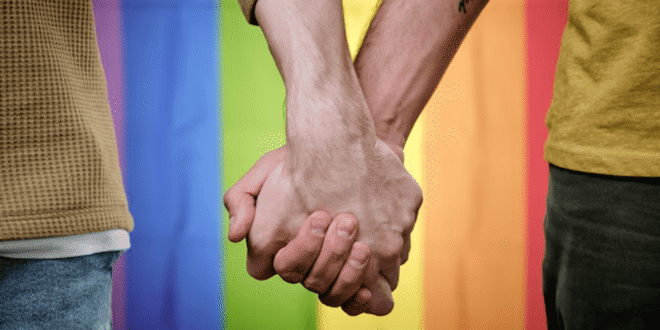
Beyond the personal trauma, the incident has reignited broader concerns about safety and visibility in Morocco. Observers note that even limited public expressions of affection, such as holding hands, can attract hostility in certain contexts. In Mimoun’s case, what might be considered a simple gesture elsewhere became the trigger for a violent reaction, highlighting the fragile balance between personal expression and public risk.
The legal environment in Morocco further complicates the situation. Same-sex relations remain criminalized under Article 489 of Morocco’s Penal Code, carrying potential prison sentences and fines. Human rights organizations have long argued that such laws contribute to a climate in which LGBTQ individuals may feel unprotected and reluctant to report violence, fearing legal consequences or public exposure.
Analysts point out that the combination of legal restrictions and prevailing social attitudes creates a complex and often challenging reality. While Morocco presents itself as a modern and globally connected country, particularly in the context of tourism and international relations, debates continue over how issues of personal freedom, cultural values, and legal frameworks intersect.
Mimoun’s decision to speak publicly about his experience has added a personal dimension to these broader discussions. He emphasizes that his case is not isolated, but rather part of a wider pattern affecting others in similar situations. His testimony has contributing to ongoing conversations about safety, dignity, and the right to live openly without fear.
More broadly, incidents like this highlight the challenges faced by individuals navigating identity and public life in environments where legal protections are limited. Experts suggest that addressing these issues requires not only legal reform but also societal dialogue and increased awareness. Until then, stories like Mimoun’s continue to underscore the human impact behind policy debates and public discourse.
About the author
Mimoun Kabdani provided this third-person account of what happened to him as well as the challenges that LGBTQ Moroccans face. He used his real name, rather than a protective pseudonym. “I have chosen to speak openly because I believe visibility is important”, Mimoun says. In the pastm he has admired the work of Moroccan LGBTQ rights activists, but from a distance. He adds:
“For me personally, the future is uncertain. My main priority is safety and finding a way to live without fear. I am currently seeking protection and exploring options that would allow me to rebuild my life in a place where I can be myself openly and safely.
“As for the LGBTQ community in Morocco, I believe there is a growing need for visibility, protection, and dialogue. Many people continue to live in silence due to fear of violence, legal consequences, and social rejection. Change may take time, but raising awareness and sharing real stories is an important step toward greater understanding and respect.”