Kampala, Uganda — Uganda is sharpening its focus on economic diplomacy, regional integration, and industrial expansion as momentum builds toward First Oil, with policymakers and industry leaders converging around a shared objective: ensuring that petroleum development catalyzes broad-based economic transformation. Deliberations at a high-level oil and gas symposium, held on the margins of the 11th Oil and Gas Convention, reflected a growing consensus that Uganda’s hydrocarbon resources must serve as a springboard for industrialization rather than an end in themselves. The conversation, while anchored in energy, extended into trade policy, infrastructure, and regional cooperation under scoring the multi-sectoral implications of the country’s oil ambitions.
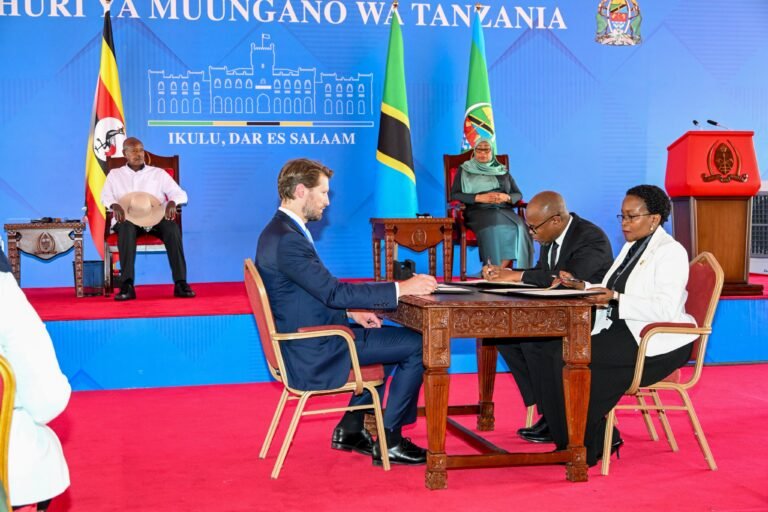
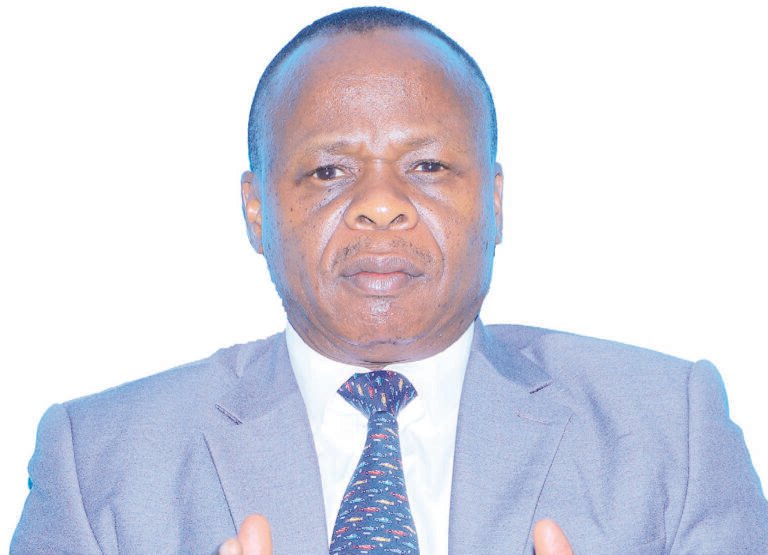
Ambassador Col. (Rtd) Fred Mwesigye pointed to a decisive shift in East Africa’s energy landscape, noting that the sector has moved from exploration to execution. Flagship projects such as Tilenga, Kingfisher, and the East African Crude Oil Pipeline (EACOP) are no longer conceptual; they are actively reshaping economic linkages between Uganda and Tanzania. In his view, these developments represent more than energy investments they are laying the groundwork for a new regional industrial corridor. “What is unfolding is bigger than oil,” he observed. “It is about industrialization, value chains, and regional integration in its most practical form.” His remarks captured a broader policy direction that sees oil as an enabler of manufacturing, services, and cross-border trade.
Ambassador (Rtd) Col. Fred Mwesigye emphasized that opportunities across the oil and gas value chain from engineering and construction to environmental management and financial services are already expanding. However, he cautioned that proximity alone will not guarantee participation. Companies, he noted, must align with international standards, invest in technical capacity, and demonstrate competitiveness in an increasingly globalized sector. “Preparedness will define who benefits,” he said, urging regional firms to move swiftly as project timelines advance and procurement cycles tighten.
From a diplomatic standpoint, Ambassador Richard Kabonero, Head of Regional Economic Cooperation at the Ministry of Foreign Affairs, highlighted a parallel shift in Uganda’s external engagement strategy. Representing the Permanent Secretary, he outlined how the country’s diplomatic missions are being repositioned to function as instruments of commercial diplomacy. “Our embassies are not just diplomatic posts; they are platforms for economic engagement,” Kabonero noted. He explained that missions are now actively tasked with attracting investment, promoting exports, and linking Ugandan enterprises to global value chains particularly within the oil and gas ecosystem. Central to this strategy is a deliberate effort to move beyond extraction toward value addition. Kabonero stressed that Uganda’s long-term economic gains will depend on its ability to build industries around petroleum resources. He identified petrochemicals, logistics, engineering services, and manufacturing as critical sectors that can anchor this transition.
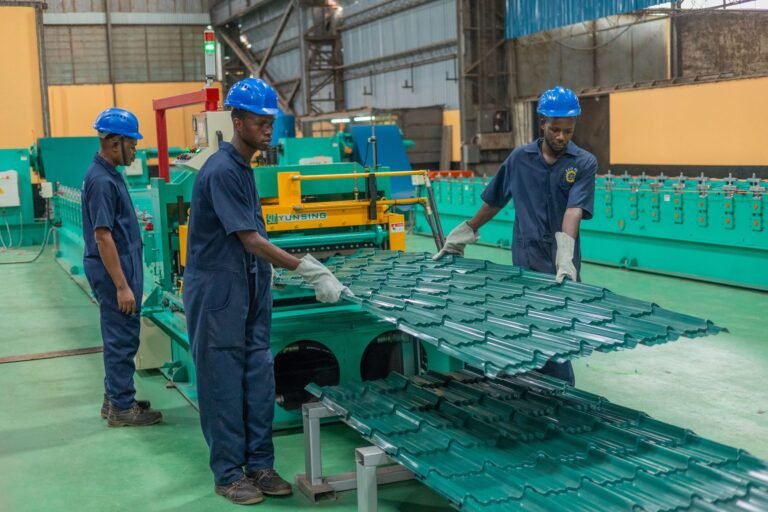
Uganda’s continued reliance on imported petroleum-based products including plastics, fertilizers, paints, detergents, and industrial chemicals was cited as both a challenge and an opportunity. Developing domestic production capacity in these areas, he argued, would not only reduce import dependence but also stimulate job creation and technological advancement. “The oil and gas sector must become a catalyst for transformation of the entire economy,” he said, underscoring the role of local content policies in ensuring meaningful participation by Ugandan firms across supply chains. Infrastructure development also emerged as a central theme. Investments in industrial parks, transport corridors, and shared utilities are expected to support both the energy sector and the wider economy, creating synergies with agriculture, manufacturing, and trade. Such integrated planning, participants noted, will be essential in maximizing the developmental impact of oil revenues.
Calls for stronger collaboration featured prominently throughout the discussions. Kabonero urged closer coordination between government institutions, the private sector, and Uganda’s diplomatic network to identify investors, map opportunities, and facilitate technology transfer. Engagement with industry bodies, including the Chamber of Energy and Minerals, was highlighted as critical in ensuring coherence in promoting Uganda’s investment agenda. Regional integration frameworks, particularly within the East African Community (EAC) and COMESA, were also cited as key enablers. By leveraging these platforms, Uganda aims to position itself as a competitive investment destination within a broader regional market.
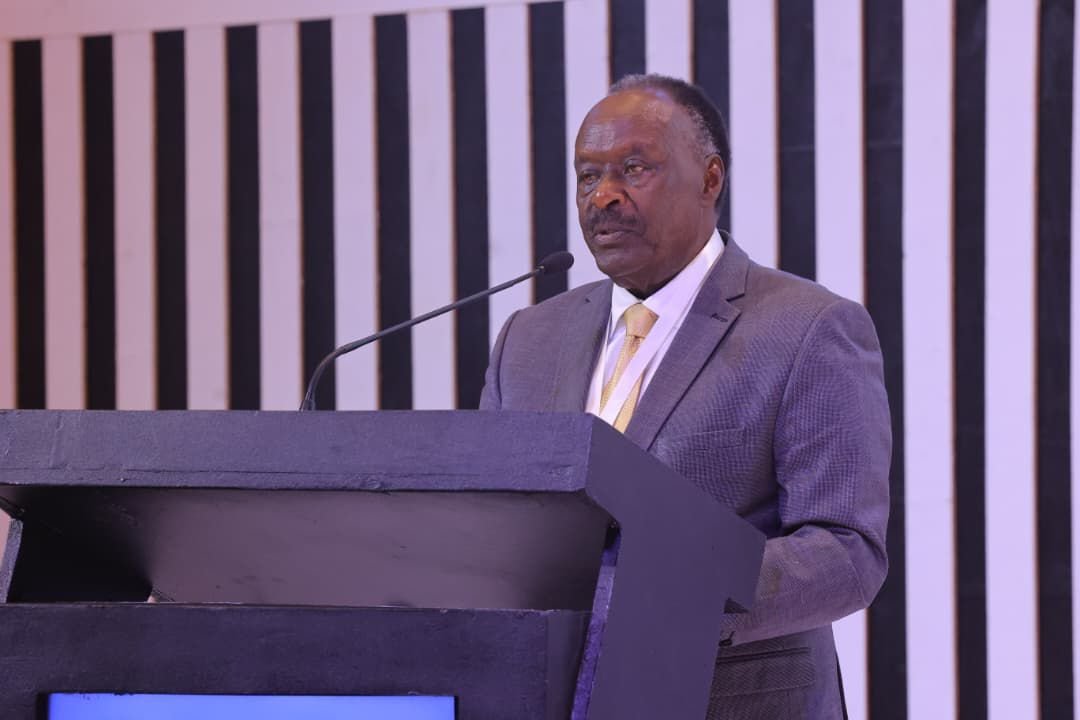
Gen. Wilson Mbasu Mbadi, Minister of State for Trade, Industry and Cooperatives, reinforced the urgency of translating petroleum potential into tangible economic outcomes. He described the transition to production as a defining moment for Uganda’s development trajectory, with implications for energy security, industrial growth, and export diversification. He emphasized the need to develop downstream industries, particularly in petrochemicals and manufacturing inputs, warning against the risks of remaining dependent on raw exports. “Petroleum wealth must be converted into industrial wealth,” he stated, pointing to job creation and export capacity as key indicators of success.
Across the board, the message from Kampala was consistent: the true measure of Uganda’s oil sector will extend beyond production volumes. As the country advances toward First Oil, attention is increasingly shifting to the industries it can build, the jobs it can generate, and the long-term resilience it can achieve. In that sense, Uganda’s oil journey is as much about diplomacy and industrial policy as it is about energy an integrated approach that could define its economic future in the years ahead.