 pressug.com News 24 7

Related Articles



Power often reveals itself not through speeches or constitutional titles, but through attitude.
The deeper question raised by Anita Among’s dramatic political collapse is not merely whether corruption allegations against powerful leaders should be investigated. They should.
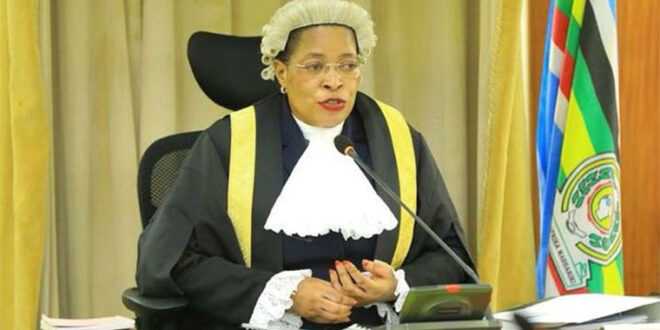
The more uncomfortable question is this: how humble or arrogant should leaders become once power convinces them they are untouchable? For years, Among represented the rise of a new political force inside Uganda’s establishment.
She was energetic, visible and deeply interventionist. She cultivated loyalty aggressively, financed political networks and projected authority with unusual confidence. To supporters, she looked decisive.
To critics, she increasingly embodied a dangerous fusion of patronage, political excess and institutional capture. The signs were always there. A Speaker of Parliament is expected to protect parliamentary independence.
Yet the story paints the picture of a leader who increasingly blurred the line between Parliament and the executive. During debate on the Protection of Sovereignty Bill, Among reportedly pushed procedural suspensions herself instead of allowing ministers to formally move them.
That may appear technical, but institutions weaken when rules become dependent on personalities rather than process. Then came the optics. The alleged Rolls-Royce. The designer outfit at a presidential inauguration.
The public displays of wealth, arriving at a time when millions of Ugandans face rising food prices, unemployment and shrinking economic opportunity. Leaders often underestimate how quickly symbolism can become political evidence in the public mind.
Arrogance is not always spoken. Sometimes it is worn, driven or displayed. Yet Uganda’s political system also exposes another contradiction. Accountability often appears selective.
Many Ugandans are asking why allegations only become urgent after political alliances fracture. That question matters because anti-corruption campaigns lose moral credibility when citizens perceive them as tools of elite power struggles rather than consistent justice.
Political analyst Yusuf Serunkuma captured that anxiety bluntly when he argued: “We are witnessing politics masquerading as law enforcement.”
That does not automatically make the allegations false. But it exposes a deeper institutional weakness. In healthy democracies, accountability should not depend on whether one still enjoys protection from powerful networks around the presidency. The lesson here extends beyond Anita Among.
Across Africa and beyond, many leaders rise through systems that reward loyalty, wealth accumulation and displays of influence. Humility is often mistaken for weakness. Public service slowly becomes personal entitlement. Institutions become secondary to political survival.
That culture must change. Uganda needs stronger independent oversight institutions, transparent asset declaration systems and parliamentary reforms that reduce excessive concentration of power around individual office holders.
But beyond legal reform lies something more important: political culture. Leaders should remember that public office is borrowed authority, not personal ownership. The moment power convinces leaders they are above restraint, accountability or public sensitivity, decline often begins quietly beneath the surface.
Among’s fall is therefore not just a political story. It is a warning about what happens when humility disappears faster than power does.
Related
, https://observer.ug/uncategorized/what-does-amongs-fall-teach-uganda-about-leadership/