FIFA’s First-Ever World Cup Final Halftime Show Signals a New Era of Global Sports Entertainment
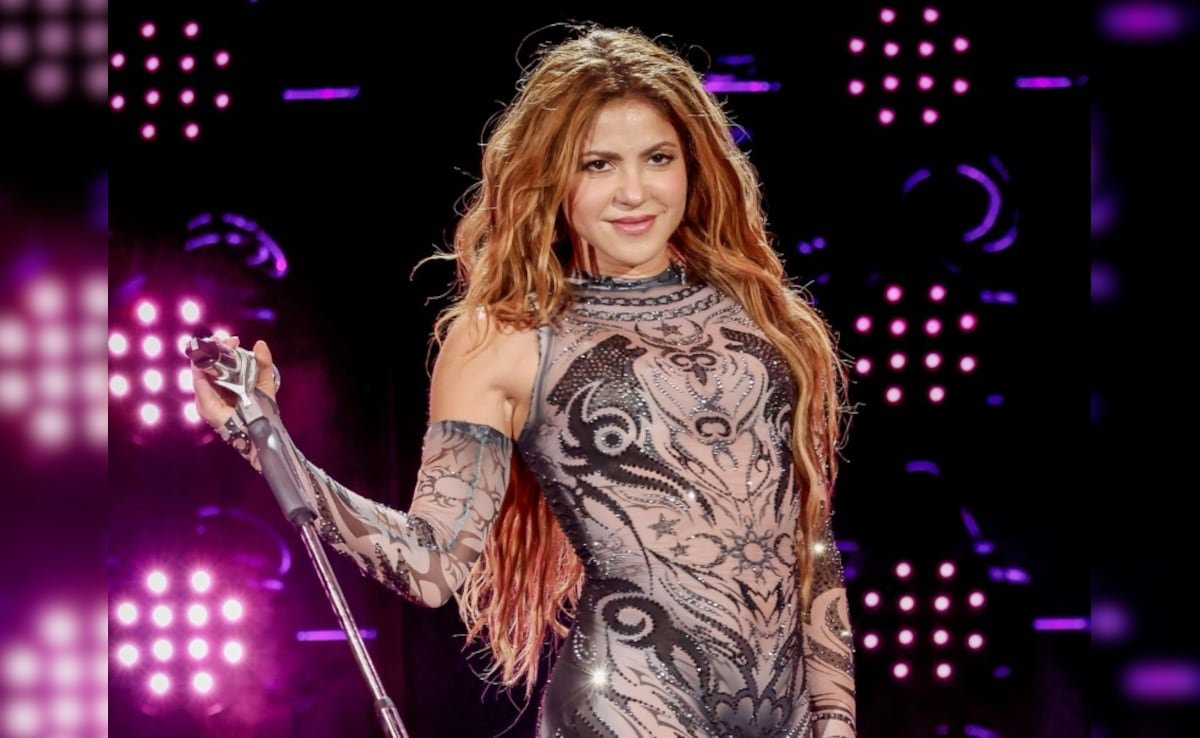
New York, United States-The announcement that global music icons Shakira, Madonna, and BTS will headline the first-ever halftime show at a FIFA World Cup final marks more than a historic entertainment decision. It reflects a broader transformation in how international sport, popular culture, digital audiences, and commercial diplomacy are increasingly converging on the global stage. Confirmed through a FIFA social media announcement, the development introduces a format long associated with American sports culture into the world’s most watched sporting event the FIFA World Cup final. For decades, the World Cup has relied primarily on opening ceremonies and pre-match performances. The inclusion of a dedicated halftime spectacle now signals FIFA’s intention to expand the tournament’s entertainment architecture and deepen its engagement with younger, digitally connected audiences.
The choice of performers is itself deeply strategic, each artist represents not only musical influence, but also distinct global audiences and cultural geographies. Shakira remains one of the most recognizable voices associated with football culture following the enduring global success of “Waka Waka (This Time for Africa)” during the 2010 FIFA World Cup in South Africa. Madonna’s inclusion brings intergenerational appeal and mainstream Western pop legacy, while BTS represents the expanding global influence of Asian entertainment industries and the extraordinary transnational reach of K-pop culture. Together, the lineup reflects FIFA’s evolving understanding of modern global audiences: fragmented geographically, digitally interconnected, and increasingly drawn to experiences that combine sport, entertainment, identity, and online participation.
The decision also highlights how mega sporting events are becoming instruments of soft power and cultural diplomacy. In recent years, international tournaments have moved beyond athletics alone to become platforms for branding nations, attracting investment, influencing tourism flows, and shaping geopolitical narratives. Music performances at events of this scale are no longer viewed simply as entertainment interludes; they are now part of broader global image-making exercises tied to commercial partnerships, broadcasting value, and international visibility. Within the African context, the announcement carries particular relevance. Football remains the continent’s most influential cultural and sporting force, connecting generations and transcending political, linguistic, and economic divides. The inclusion of artists with strong global multicultural appeal demonstrates how international sporting institutions are increasingly recognizing the commercial and demographic importance of audiences across Africa, Asia, and Latin America not merely Europe and North America.
For African broadcasters, digital creators, and advertisers, the halftime show also presents new opportunities within the expanding sports-entertainment economy. Conversations around sponsorship, streaming engagement, influencer participation, and youth-driven online discourse are likely to intensify as FIFA continues repositioning the World Cup into a broader entertainment ecosystem. The move mirrors wider trends already visible in global sport. American leagues such as the NFL have successfully transformed halftime entertainment into headline global events capable of generating millions of online interactions beyond the sporting contest itself. FIFA’s adoption of a similar format suggests an awareness that modern audience retention increasingly depends on multi-dimensional spectacle in addition to athletic competition.
Yet the development may also reopen debates around commercialization within football. Critics have long argued that global sporting institutions risk prioritizing entertainment value and corporate visibility at the expense of the sport’s traditional culture and competitive purity. Questions may emerge over whether the World Cup final a fixture historically defined by tension, national pride, and sporting drama could gradually shift toward a more entertainment-centric model. At the same time, supporters will likely argue that football, as the world’s most globalized sport, must evolve alongside changing audience behaviour and media consumption habits. Younger viewers increasingly engage with sporting events not only through live broadcasts, but through short-form clips, social media trends, celebrity culture, and digital fan communities. In that environment, halftime performances become part of the wider storytelling ecosystem surrounding global tournaments.
The inclusion of BTS is particularly significant in this regard. K-pop has evolved into one of the world’s most sophisticated cultural export industries, shaping fashion, digital engagement, streaming economics, and fan mobilization across continents. Their participation reflects how Asian entertainment power is now firmly embedded within mainstream global cultural institutions once dominated almost exclusively by Western acts. Ultimately, FIFA’s decision appears designed to achieve more than entertainment alone. It is a calculated effort to expand the commercial and cultural reach of the World Cup brand at a time when global sport is increasingly competing for digital attention in an overcrowded media landscape.
As anticipation builds, the first-ever World Cup final halftime show is already being framed as a defining moment in the evolution of international sports entertainment. Whether viewed as innovation, commercialization, or cultural convergence, one reality is becoming increasingly clear: the modern World Cup is no longer just a football tournament. It is now one of the world’s largest platforms where sport, culture, business, and global influence intersect in real time.