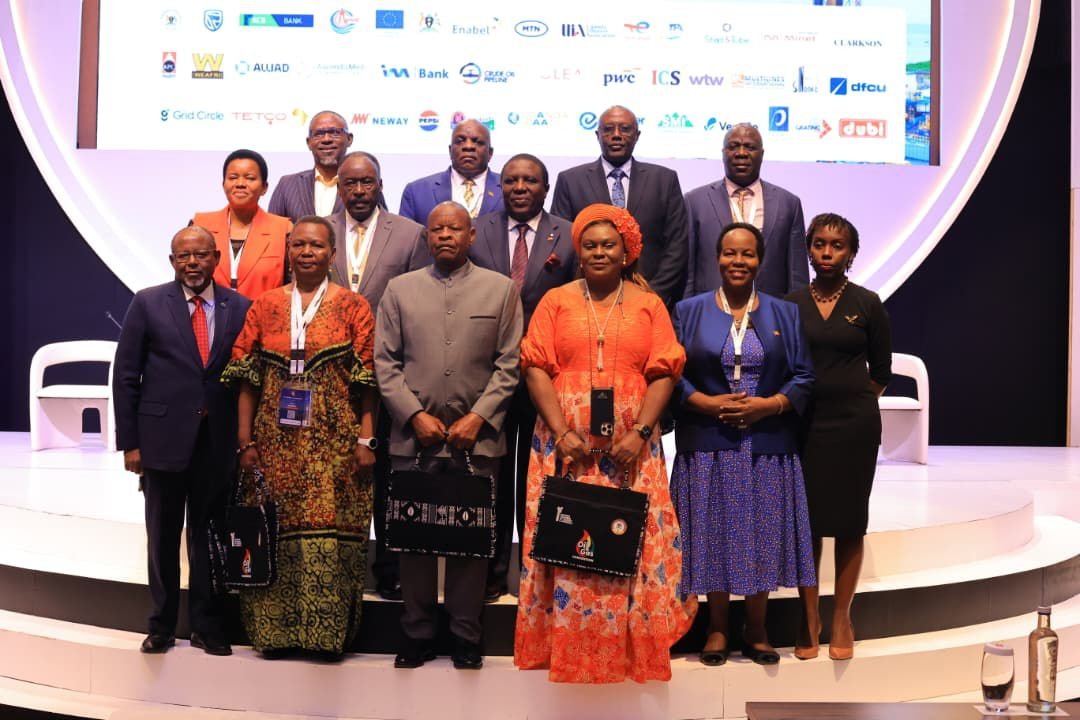
Kampala, Uganda — Uganda is intensifying its economic diplomacy efforts as its diplomatic missions abroad move to strengthen partnerships with private sector actors in support of the country’s fast-evolving oil and gas industry. This strategic push formed the centerpiece of a high-level engagement held on the sidelines of the 11th Oil and Gas Convention, bringing together envoys, policymakers, and industry leaders to align investment promotion with national development priorities.
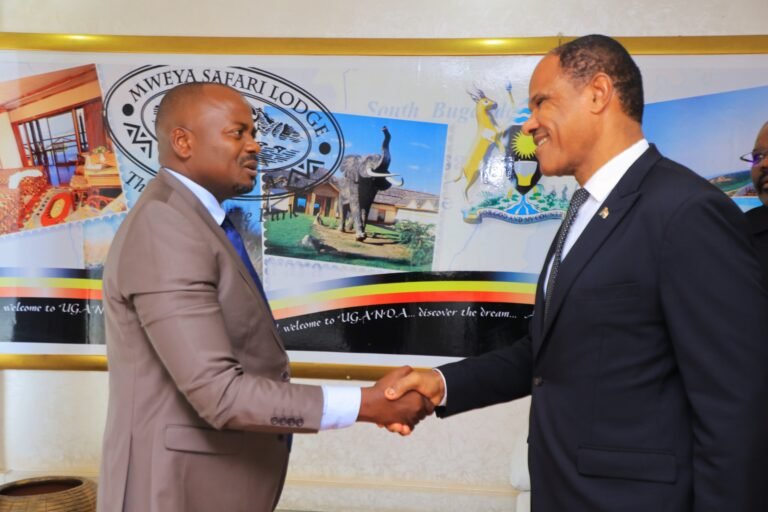
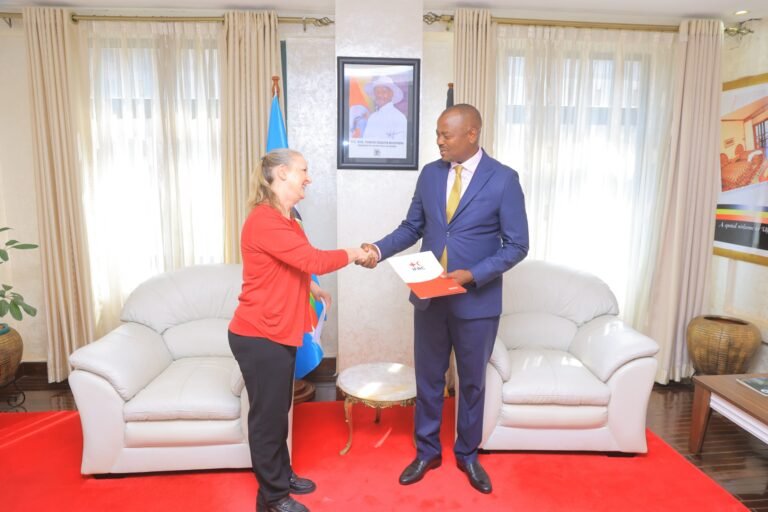
The meeting convened Uganda’s ambassadors and representatives from key missions including postings in Russia, India, Tanzania, Japan, China, Angola, Egypt, the United States, and regional hubs such as Dar es Salaam and Mombasa under the coordination of the Ministry of Foreign Affairs. The delegation, led by Ambassador Richard Kabonero on behalf of the Permanent Secretary, engaged with stakeholders from the Ministry of Energy and Mineral Development, the Uganda National Oil Company, the Uganda Chamber of Mines and Petroleum, the Ministry of Trade, Industry and Cooperatives, and the Uganda Investment Authority. At the core of the discussions was a shared recognition that Uganda’s foreign missions must play a more proactive role in shaping the country’s economic trajectory. Participants emphasized that embassies are increasingly being repositioned as platforms for commercial diplomacy tasked not only with representing national interests abroad but also with actively identifying investors, facilitating business linkages, and promoting Uganda’s opportunities across global markets.
Ambassador Richard Kabonero underscored this shift, noting that Uganda’s diplomatic footprint is being recalibrated to reflect the demands of a competitive global economy. He highlighted the importance of aligning diplomatic engagement with key sectors such as energy, where timely investment and technology partnerships are critical. “Our missions must operate as gateways for investment and innovation, connecting Uganda’s potential to global capital and expertise,” he observed. The engagement comes at a pivotal moment as Uganda advances toward First Oil, with major projects such as Tilenga, Kingfisher, and the East African Crude Oil Pipeline (EACOP) signaling the transition from exploration to production. Officials noted that while these developments mark a milestone, the broader objective extends beyond extraction to the creation of an integrated industrial ecosystem.
Industry leaders stressed that the oil and gas sector presents opportunities across a wide value chain, including engineering, logistics, environmental services, and financial solutions. However, they cautioned that realizing these opportunities will require deliberate coordination between government institutions, private sector actors, and diplomatic missions to ensure that Uganda remains an attractive and competitive destination for investment. The Uganda Chamber of Mines and Petroleum, represented at the meeting, reiterated its commitment to fostering collaboration that supports both foreign investment and local participation. The Chamber emphasized the importance of building a sector that not only attracts global players but also empowers domestic enterprises, contributing to industrial growth and skills development.
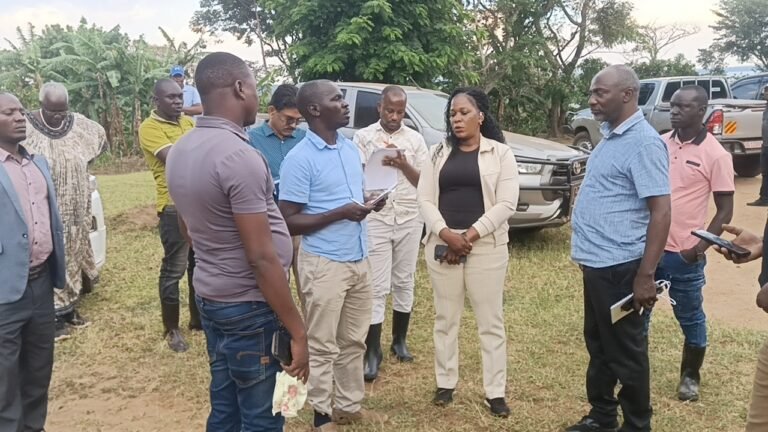
Discussions also explored practical mechanisms to enhance coordination, including structured engagement with international investors, participation in global energy forums, and targeted promotion of Uganda’s upstream and midstream projects. Stakeholders agreed that consistent messaging and unified representation across diplomatic missions would be essential in building investor confidence and sustaining momentum. Complementing these discussions, voices from the broader policy space reinforced the need to anchor oil and gas development within a wider industrialization agenda. Leaders highlighted that Uganda’s long-term gains will depend on its ability to leverage petroleum resources to stimulate sectors such as petrochemicals, manufacturing, and infrastructure development. There was also a strong emphasis on regional integration as a critical enabler of success. With projects like EACOP linking Uganda and Tanzania, the oil and gas sector is increasingly seen as a driver of cross-border economic cooperation. Participants noted that aligning national strategies with regional frameworks would enhance market access, streamline logistics, and create economies of scale.
As Uganda positions itself within the global energy landscape, the role of economic diplomacy is becoming more pronounced. The engagement in Kampala reaffirmed that coordinated efforts between diplomatic missions and domestic institutions will be central to unlocking investment, facilitating technology transfer, and ensuring sustainable sector growth. Ultimately, stakeholders converged on a common understanding: the success of Uganda’s oil and gas sector will not be measured solely by production milestones, but by its ability to catalyze industrialization, generate employment, and contribute to long-term economic transformation. With diplomatic channels increasingly aligned to these objectives, Uganda is signaling a clear intent to convert its natural resource potential into a foundation for inclusive and sustained development.