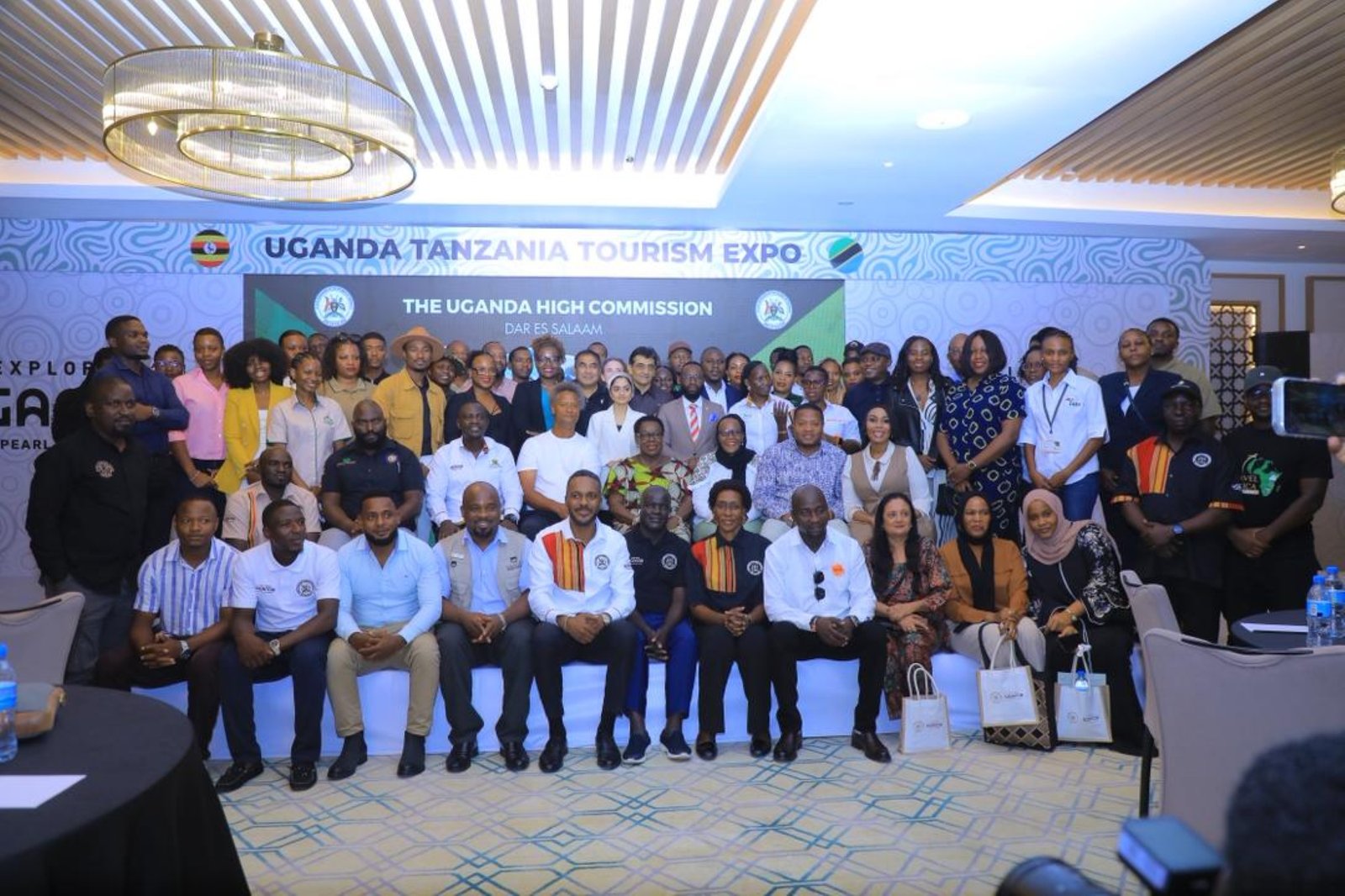
Dar es Salaam, Tanzania — Efforts to position East Africa as a unified and competitive tourism destination gained renewed momentum this week as Uganda and Tanzania convened a high-level Tourism Roadshow in Dar es Salaam. Held on 28 April at the Hyatt Regency Dar es Salaam, The Kilimanjaro, the forum brought together public and private sector actors under the theme “Promoting Regional Tourism Partnerships & Business Linkages.”
Organized by the Uganda High Commission Dar es Salaam, the Roadshow served as a strategic platform to deepen bilateral cooperation, enhance joint destination marketing, and unlock cross-border investment opportunities within the tourism sector. It also reflected a broader regional push toward economic integration, where tourism is increasingly viewed as a catalyst for growth, cultural exchange, and sustainable development.
In her opening remarks, Deputy High Commissioner of Uganda to Tanzania, Elizabeth Allimadi, emphasized the central role of collaboration in advancing shared prosperity. She noted that tourism, when approached collectively, has the potential to strengthen regional value chains, improve competitiveness, and project East Africa as a cohesive global destination. “By working together, we are not only enhancing our visibility on the global stage, but also building stronger economic linkages that benefit our people,” she observed, underscoring the importance of coordinated efforts in an increasingly competitive global tourism market.
The Roadshow also highlighted the importance of aligning public policy with private sector dynamism. Willy Chambulo, President of the Tanzania Association of Tour Operators, called for a shift in mindset from competition to complementarity. He stressed that Uganda and Tanzania offer distinct yet mutually reinforcing tourism experiences from coastal attractions to inland wildlife and primate encounters and should therefore be marketed collectively. “Both Uganda and Tanzania are not competitors; we are partners targeting the same global markets,” Chambulo noted, adding that continued investment in infrastructure, including transport connectivity, will be critical in facilitating seamless multi-destination travel across the region.
From Uganda’s private sector, Isa Kato, Vice President of the Uganda Tourism Association, reinforced the argument that regional integration must be driven beyond policy frameworks. While acknowledging the role of governments in establishing agreements, he emphasized that the private sector holds the key to implementation. “Our leaders sign treaties, but it is the private sector that must bring them to life,” Kato remarked, calling for deeper collaboration among tour operators, hospitality providers, and investors to develop integrated tourism products that appeal to global travelers.
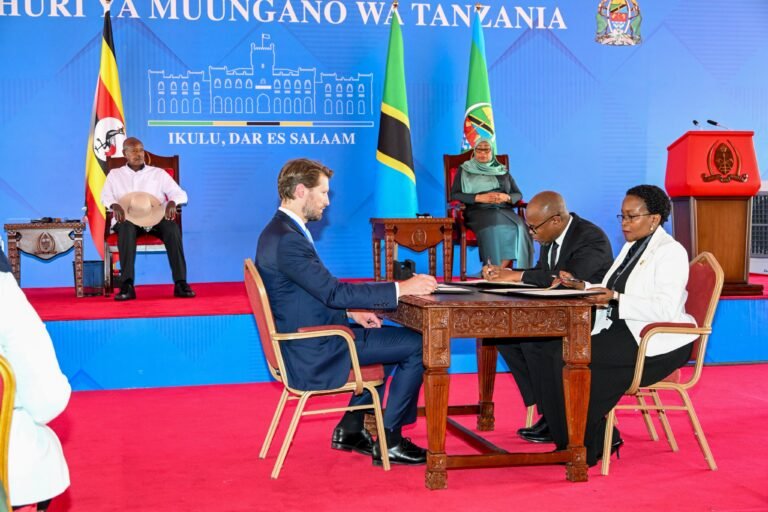
On the destination front, Francis Nyende of the Uganda Tourism Board presented Uganda’s diverse tourism portfolio. He highlighted flagship experiences such as mountain gorilla trekking, Big Five safaris, birdwatching, and primate tracking products that continue to position Uganda as a unique offering within the global tourism landscape. A significant outcome of the Roadshow was the formalization of partnerships through the signing of two Memoranda of Understanding (MoUs). The agreements were concluded between the Zanzibar Association of Tour Operators and the Uganda Tourism Association, as well as between the Tanzania Association of Tour Operators and the Uganda Tourism Association. These MoUs signal a shared commitment to strengthening institutional collaboration and advancing sustainable tourism growth across East Africa.
The agreements outline cooperation in key areas including joint marketing initiatives, business-to-business linkages, skills development, and the exchange of market intelligence. They also provide a framework for coordinated participation in international trade fairs, the development of combined tourism packages, and the promotion of best practices across the sector. Analysts note that such partnerships could play a pivotal role in increasing tourist flows within the region, while also encouraging innovation in tourism products and services. By leveraging complementary assets, East African countries stand to benefit from economies of scale and enhanced global visibility.
The Roadshow concluded with a series of Business-to-Business (B2B) engagements and networking sessions, enabling tour operators from both countries to explore partnerships, negotiate deals, and build lasting professional relationships. These interactions are expected to translate into tangible business outcomes, further reinforcing the link between policy dialogue and market-driven solutions. As East Africa continues to refine its regional integration agenda, initiatives such as the Uganda–Tanzania Tourism Roadshow highlight the growing recognition that collaboration, rather than competition, will define the sector’s future. In an era where travelers increasingly seek diverse, multi-destination experiences, the ability of neighboring countries to present a unified and seamless offering may well determine their collective success on the global stage.